

The Archivist
An evening with Allen Packwood at the Churchill Archives Centre.


Allen Packwood
The man who takes care of Winston Churchill for a living is named Allen Packwood. During an evening two weeks ago, he stood in a conference room at Churchill College, Cambridge, and told us about the cigars.
There were about thirty of us from the tour. We had spent the previous week walking through places where the records are gone—interrogation centers, training grounds, temporary headquarters—and listening to stories that survive only because someone scribbled them in a notebook that went into a box that went into a cupboard that everyone forgot. I walked into Packwood’s lecture thinking archives were where paper went to sleep. I walked out understanding that what he does is keep a voice alive.
There aren’t many people in the world with that job. He’s one of them.
The Archives Centre
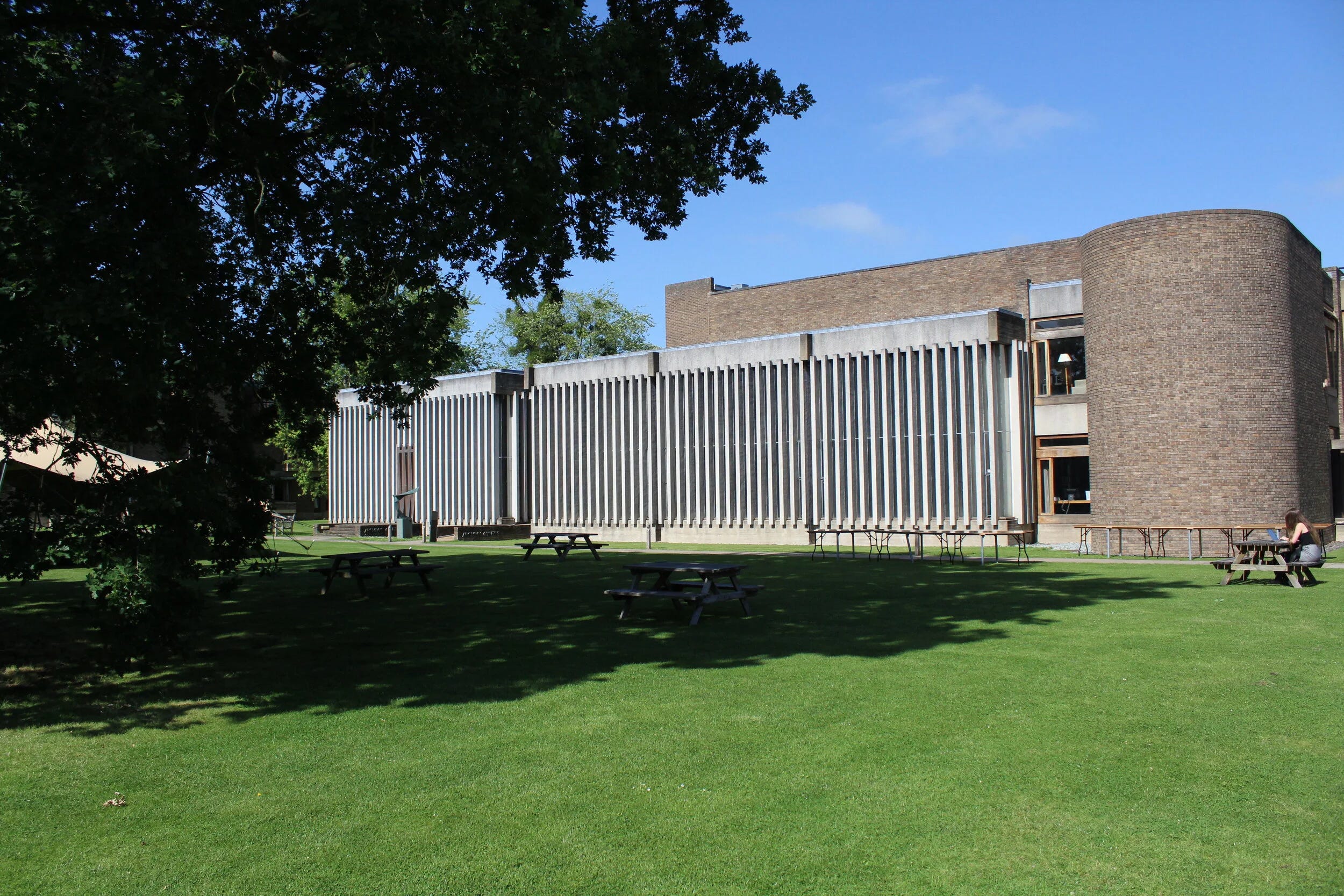
The Churchill Archives Centre is a low brick building on the west edge of Cambridge, tucked into Churchill College—the national memorial to Winston Churchill, founded in 1958. The college itself went up while Churchill was still alive, with his name and blessing. He chaired the fundraising trust. He came once, on 17 October 1959, planted two trees that still stand, opened a mulberry, and gave one of his last public speeches. In it, he argued that after Sputnik, the best memorial Britain could build in his name was a college for scientists, engineers and technologists.
A man in his eighties, six years from his own death, with a public career running from 1900 through 1955, stood on a building site and said: don’t put up a statue, train people in fields he never studied. As memorials go, that was an odd request. It was also the right one.
The Archives Centre came later. It opened in 1973, eight years after Churchill died, built entirely with American money. The first donors’ names sit on the far wall of the entrance hall: Mellon, Annenberg, Geffen, and a run of former ambassadors who decided that when their time at the Court of St James’s ended, the next useful thing they could do was pay for a building to hold British history. They funded the bricks and the first ten years of staff. The British state later picked up most of the running costs. The fact remains: the place where Churchill’s papers live exists because, in the late 1960s, a handful of Americans decided they should.
Packwood has been there since 1995. He’s been director since 2002. That is more than thirty years of turning up at the same door and thinking about the same man.
The Collection
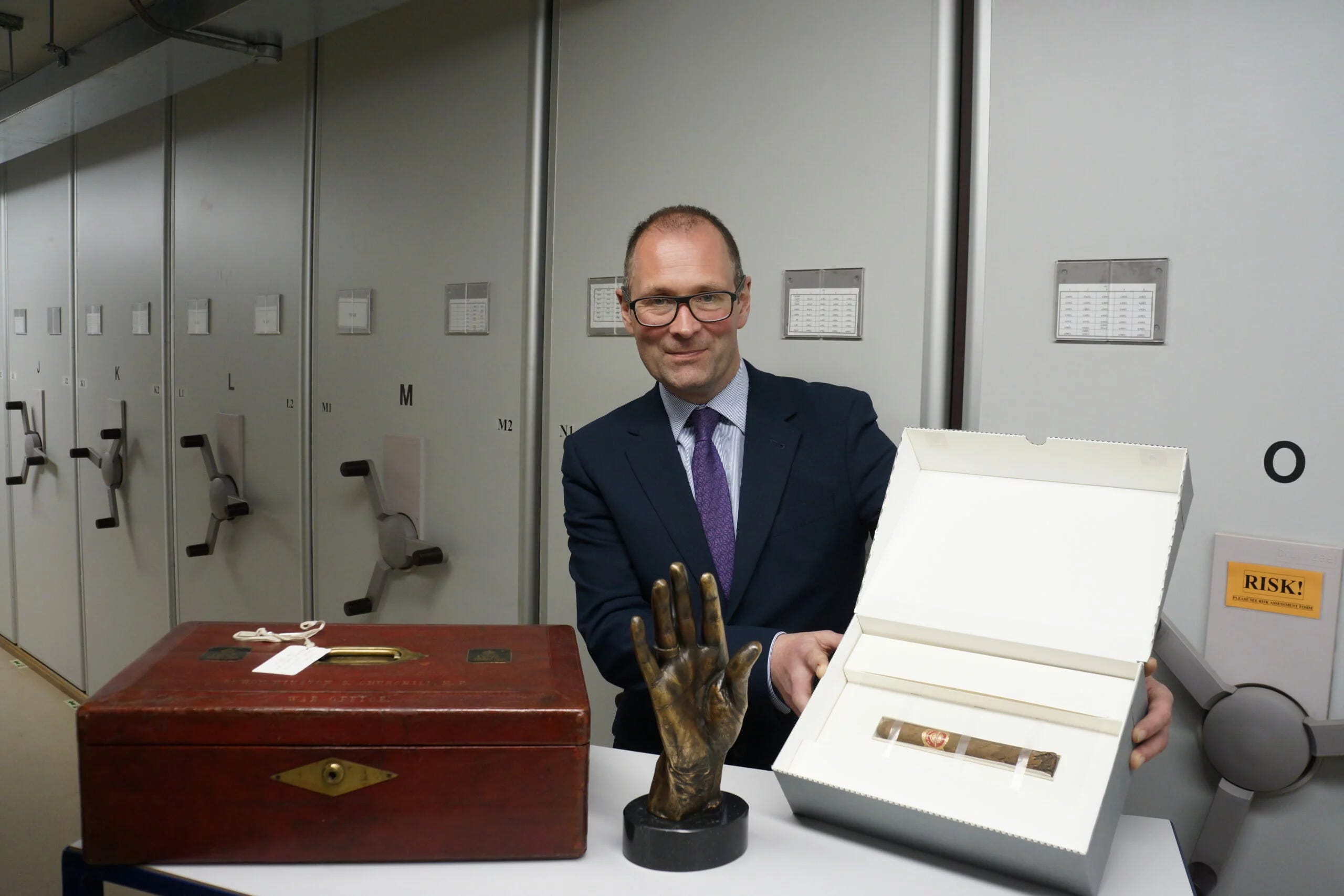
The Churchill papers are about 2,500 archive boxes—roughly a million individual documents. Childhood letters. School reports. Hand‑marked drafts of set‑piece speeches. Private correspondence with Roosevelt, Truman and Eisenhower. Exchanges with every British prime minister from Salisbury through Wilson. Drafts and notes for every book and article. Paintings. Receipts. Medical charts. Tailor’s bills. Wine cellar inventories. Hospital files. The manuscript of The Second World War in six volumes, corrected in Churchill’s own hand.
Churchill is the core. The orbit around him is now at least as interesting. Over fifty years, the Archives Centre has brought in the papers of some 800 other figures from his century. Margaret Thatcher’s files, including—as Packwood said, smiling—one handbag. John Major’s papers. The beginnings of what will one day be the Gordon Brown archive. Rosalind Franklin’s papers, including the X‑ray plates that showed the double helix before most of the people who used her work thought to credit her.
Field Marshal William Slim’s Burma records. Admiral Bertram Ramsay’s Dunkirk and Neptune files. And, almost off‑hand, part of the Mitrokhin Archive: curated, declassified KGB operational material sitting on shelves a short walk from the personal papers of the man who led Britain into the Cold War.
We were told it wasn’t just a room full of Churchill. It’s a paper map of the twentieth‑century Anglo‑American world, built because the people who paid and the people who run it decided that the record of liberal democracy deserved one brick‑and‑mortar memory.
That’s the building Allen brought us to virtually through his talk.
The Cigars
Allen Packwood’s first story was about cigars. He warned us he was going to linger over it, because it was his favorite file in the place. The file runs to about ten pages. He gave us twenty minutes. I’ll give you less.
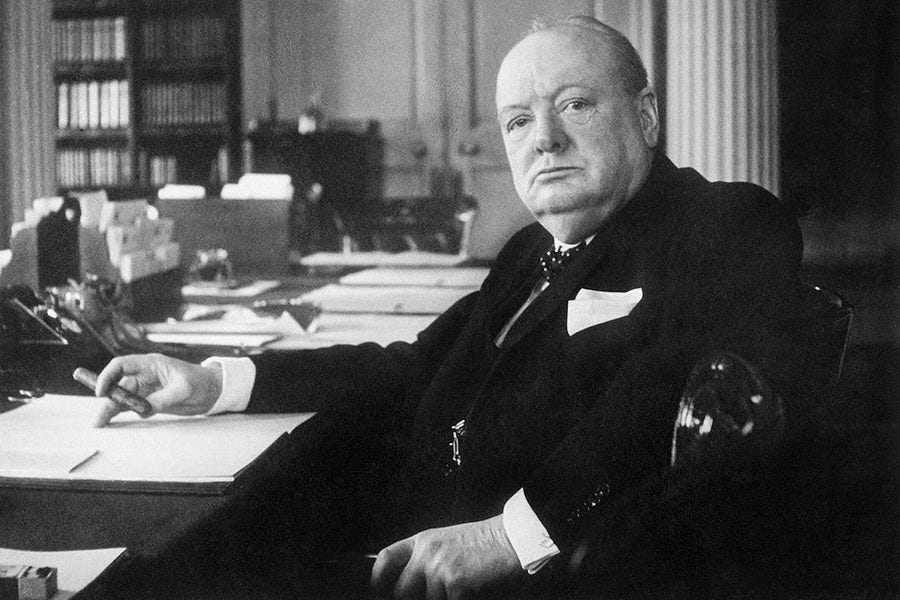
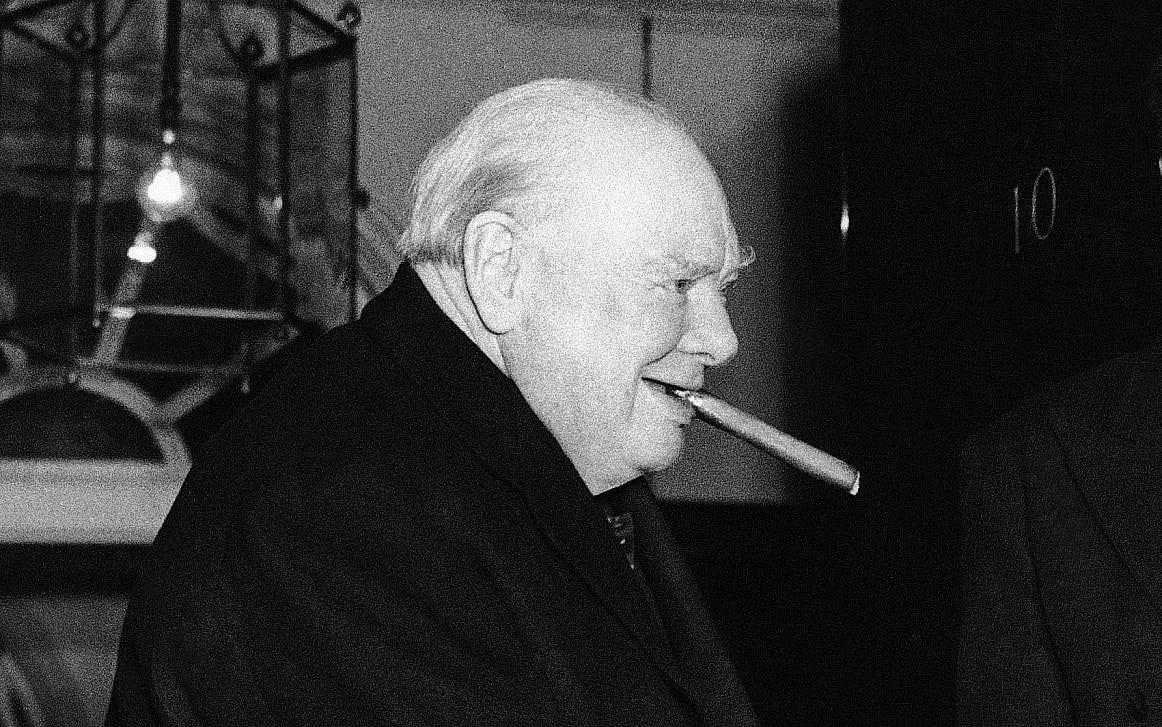
In 1941, Churchill started receiving large consignments of Cuban cigars as gifts from pro‑British organisations in Havana and from the Cuban National Tobacco Commission. They turned up in diplomatic bags via the British legation and made their way to Downing Street. One lot in January. A much larger lot in April. A third, in a decorative cabinet, in September.
His private secretaries, Jock Colville and Eric Seal, saw the risk immediately. Churchill topped every Nazi assassination list. Cuba was a place where German intelligence operated. A cigar is a perfect poison carrier. If someone tampered with a box along the way, the next puff could be his last. Colville and Seal decided the Prime Minister’s cigars would be treated as potential weapons until proven otherwise.
The first shipment went to Scotland Yard. Scotland Yard passed samples to a government analyst at St Mary’s Hospital named Roche Lynch. Lynch did the lab work and then, as he noted in his report, smoked one cigar from each box as an extra test. No ill effects. The cigars went back to Downing Street.
That was the procedure. It held once. Then more gifts arrived, faster, and Churchill—who knew none of this—kept right on smoking whatever sat in his humidor.
By the second consignment, Colville and Seal were getting anxious. They wrote to Professor Frederick Lindemann, Churchill’s scientific adviser and closest friend, to ask if there was a better way than “Roche smokes one and we see what happens.” Lindemann wrote to Lord Victor Rothschild at MI5 and asked him to take over.
Rothschild was MI5’s bomb man. By war’s end he would personally have examined thousands of suspect parcels and devices, often in a small room at Thames House, because he trusted his own hands more than anyone else’s. People in the service said he would rather defuse a bomb than eat breakfast.
He took the cigars. In a pencilled note he suggested that future food and tobacco gifts for the Prime Minister come straight to MI5 “as it is feared that Scotland Yard either eat them or feed them to the dogs.” Colville agreed.
The big shipment, the one in the decorative cabinet that still stands in Churchill’s studio at Chartwell, arrived in September 1941. Rothschild took the cabinet apart, drew one cigar from each box, and spent the next month trying to kill mice. He injected them with tobacco extract. He exposed them to smoke. He put fragments on his own tongue for thirty seconds at a time and left four days between tests. At the end, he judged the cigars safe.
Churchill knew none of this.
On 19 September 1941, while Rothschild was still halfway through the cabinet, Churchill finished a Defense Committee meeting in the Cabinet War Rooms and invited the ministers upstairs. He led them into his study and showed them the new cigar cabinet that had just arrived. He opened it. He handed out cigars. This was the untested cabinet. These were the untested cigars.
Lord Balfour of Inchrye, then Under‑Secretary of State for Air, remembered Churchill’s remark. “Gentlemen, I am now going to try an experiment. Maybe it will result in joy. Maybe it will end in grief. I am about to give each of you one of these magnificent cigars. It may well be that each of these contains some deadly poison.”
They laughed. They smoked. No one died.
Packwood’s point wasn’t that Churchill was reckless or MI5 careless. It was that by autumn 1941 Churchill had already made his private calculation. The daily risk of a poisoned cigar was, for him, a price worth paying for the cigars. The ministers were not being used as test subjects; they were being invited into the way he had decided to live. If the Germans were going to kill him, they would manage it. He was not going to spend the war afraid of his tobacco.
The file works because everyone involved wrote things down. Colville minuted his worries. Rothschild recorded his tests. The letters from Havana and the shipping receipts went in. Someone gathered the lot into one folder and gave it a label. Ninety‑odd years later, Packwood can pull that folder and show you, page by page, what was in those cigars, who tested them, and what the Prime Minister said as he handed them round.
That’s what an archivist protects. The stories.
The American Codes
The second story that stuck was about codes.
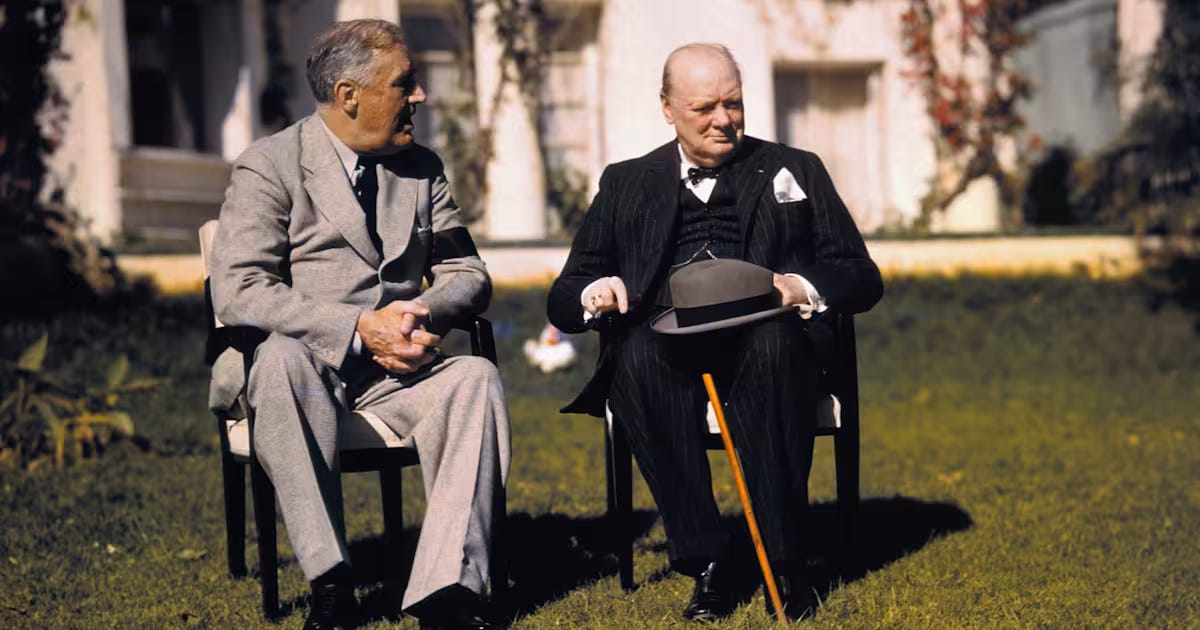
In February 1942, six weeks after Pearl Harbor, Churchill sent Roosevelt a private letter. Not through normal diplomatic channels, not copied to the Cabinet Secretariat, but through the pouch they’d been using since 1939 for their own back‑channel notes.
In that letter, Churchill told Roosevelt that British cryptanalysts had, before the United States entered the war, broken American diplomatic ciphers.
Packwood put the pages up on the screen. In Churchill’s hand, the key passage runs along these lines: from the moment we became allies, I ordered that work to stop. Our experts, however, claim to have discovered the system and constructed some of the tables used by your diplomatic corps. The danger that our enemies have achieved a measure of success cannot be dismissed.
It was a simple message. If we could read your traffic, the Germans and Japanese might have done the same. You should change your codes.
At the end Churchill asked Roosevelt to burn the letter after reading it.
Roosevelt didn’t burn it. Churchill kept his copy. Both survived. Roosevelt’s sits in Hyde Park. Churchill’s sits in Cambridge.
For fifty years after the war, the British Cabinet Office kept that letter classified. Researchers opening the file in the 1970s and 80s found a placeholder slip: “Document removed on Cabinet Office instructions,” with a date and reference number. The gap sat there like a missing tooth.
In 1993 someone in Whitehall finally decided the embarrassment had aged out. The letter was released. The missing pages went back where they belonged.
Packwood said the most telling thing about that letter isn’t the content. It’s how long it stayed in the dark. The work it describes was done before 1941. It mattered to no one’s safety after about 1943. Yet for decades, governments in London couldn’t quite bring themselves to say, on the record, that Britain had been reading the cables of its closest ally before that ally came into the war.
The secret was cold. The pride that kept it sealed was not.
The archive is where the thing you can’t yet say in public waits in the right folder until someone decides to open it.
Eisenhower and Churchill
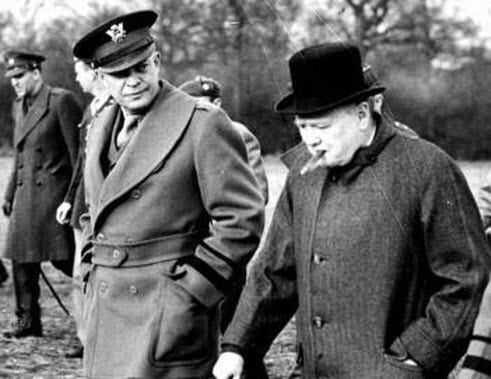
When Packwood took questions, I asked him about Churchill and Eisenhower. The standard story says they were close partners in war and stayed close afterwards. The documents tell a harder story.
In wartime, Eisenhower’s talent was handling difficult men: Patton, de Gaulle, Montgomery, Churchill. Once he became Supreme Allied Commander in 1944, his way of handling Churchill was distance and discipline. He moved SHAEF out of London so Churchill couldn’t just drop in. He put formal weekly meetings on the calendar, kept to them, kept them narrow. He let the Prime Minister feel informed without letting him run the war.
And Churchill hated that. In 1940, when every decision sat on his own desk, he had been at his best. By 1944, authority had slid across the Atlantic. Eisenhower was the senior partner. Churchill could see it and did not like the view.
After the war, the mismatch widened. Churchill returned to Downing Street in 1951. Eisenhower went into the White House in 1953. Churchill wanted the old partnership back. He wanted an East‑West summit after Stalin’s death, convinced the new men in Moscow might be moved. Eisenhower didn’t buy it. He saw no reason to grant the Soviets a stage unless there was a real chance of getting something in return. He didn’t see it.
At Bermuda in December 1953, Churchill pushed. Eisenhower finally snapped and used a line about the Soviet Union that Packwood clearly didn’t relish repeating, likening it to a woman whose dress might change but whose nature did not. The British delegation was offended. There was no summit. The warmth went out of the relationship. Churchill left office in 1955. Eisenhower stayed on. They never quite recovered what they’d had.
By then, the balance between Britain and America had shifted. Eisenhower knew it. Churchill knew it. Churchill never really made peace with it.
“The Dream,” 1947. Painting by Sal Asaro
The Dream
Near the end, Packwood put up one more document that shrank the subject down to a single room.
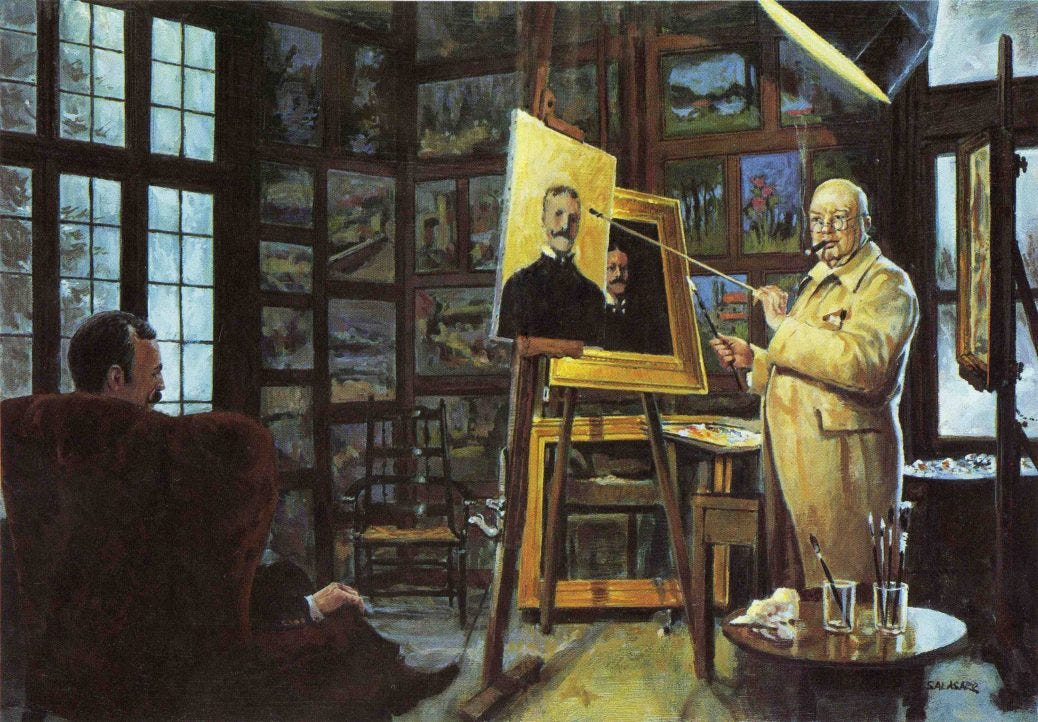
In 1947, two years after the voters sent him out of office, Churchill wrote a short story called The Dream. He never published it. It sat in his papers until after he died. In it, he describes an evening at Chartwell. He is in his studio, painting a portrait of his father, Lord Randolph, who died in 1895 when Winston was twenty. Randolph had been a rising politician and a hard, disappointed father.
As Churchill paints, his father’s ghost appears in a chair opposite. They talk. The ghost asks what has happened since 1895. Winston tells him. The First World War. Bolshevism. The Depression. Hitler. The Second World War. The Holocaust. The bomb. India. The Cold War. He lays out half a century.
He never once says what he himself did in it.
At the end, Lord Randolph stands, ready to go. He looks at his son, now an old man, and says: to look at you now, I am surprised you did not go into politics. You might have made a name for yourself. Then he vanishes.
Churchill wrote that on his own, two years after losing office, four years after leading Britain through the war, when he was the most recognisable Englishman alive. In the private fiction he built for himself, the one person whose opinion mattered most leaves without ever finding out what he did.
Packwood told us that Churchill’s daughter Mary once asked her father, late in life, if he had any regrets. She expected him to say he regretted not winning the Victoria Cross. Instead, he said he regretted that his father had died before he could see what Winston made of himself.
That kind of line doesn’t live in statues. It lives in files and archives
Winston Churchill’s Office at Chartwell
The Urgency of the Archivist
Ostensibly, nothing in the Churchill Archives is urgent. No one’s life hangs on whether he opens a box this week or next. If he misfiles a letter, no convoy goes down.
But everything urgent that other people did—Gabčík and Kubiš on a Prague street, Fritz Lustig with headphones on in the M‑Room at Latimer, Vera Atkins moving through the ruins of Germany looking for missing agents—gets only one chance to leave a trace. They don’t have time to think about who will read their paperwork in 2075. They are too busy surviving their own day. The archivist is the one who worries about what will still be legible when the people who made it are gone.
The archive is where their briefing notes and transcripts and letters end up. It is where the Churchill–Roosevelt code letter sat for fifty years behind a placeholder slip. It is where a one‑line prescription from a New York doctor authorising whisky during Prohibition still sits in a folder because someone thought: don’t throw that away yet.
I hadn’t grasped, before that hour in Cambridge, how much of a society’s memory depends on people who spend their working lives in rooms like these, putting paper in the right boxes and refusing to bin it. Because a country that doesn’t keep its records cannot understand itself. One that does, patiently and well, at least has the chance.
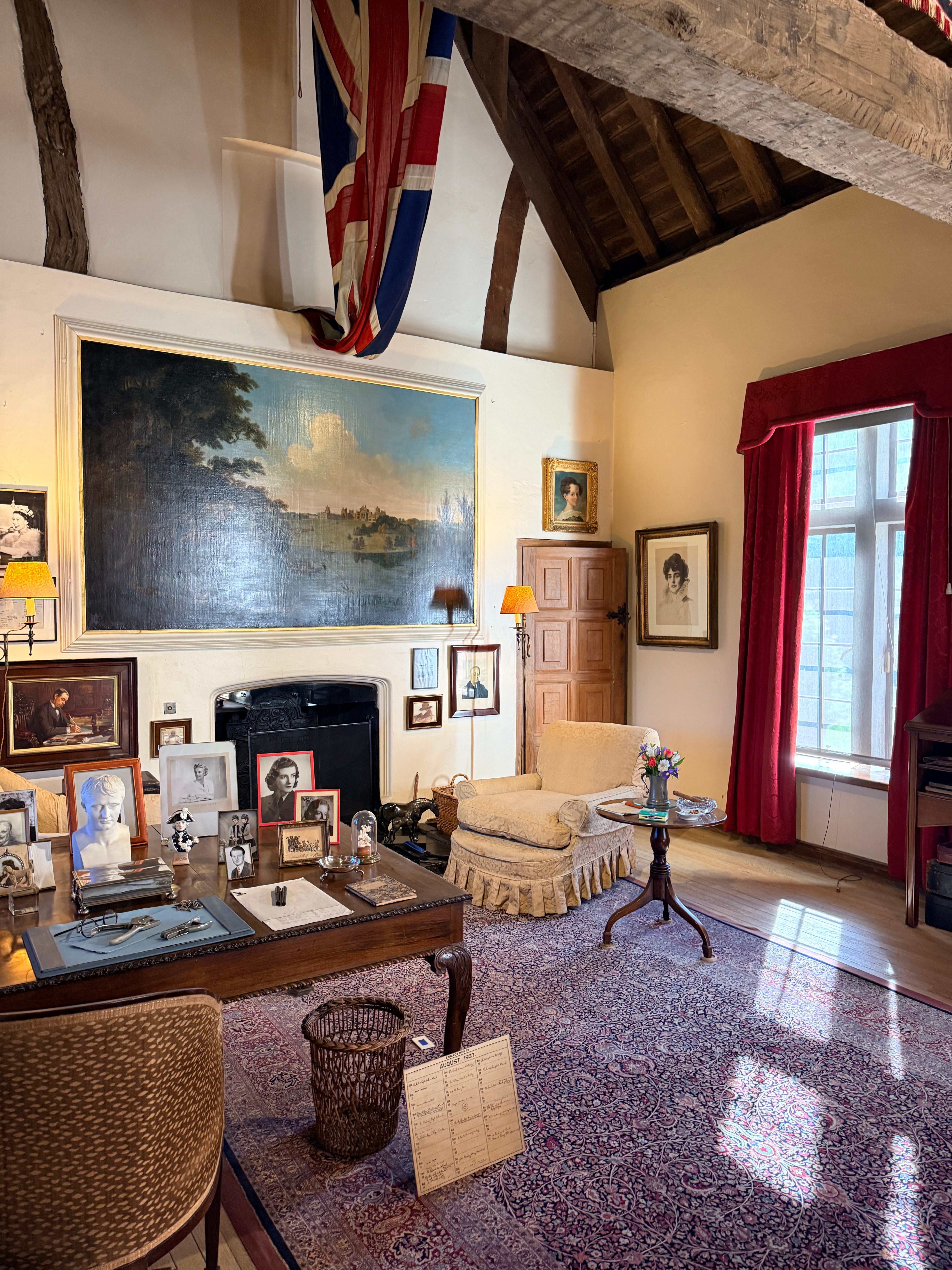
Allen Packwood finished, took a few more questions, and closed his laptop. We shook his hand and he walked out into the cool Cambridge night. In a few days we would be at Chartwell, in the studio where Churchill wrote The Dream, looking at the chair opposite the easel.
The man sitting closest to that chair now is the archivist.