

Englandspiel
A Missing Check, a Quiet Choice, and Fifty Special Operations Executive Agents Who Never Came Home

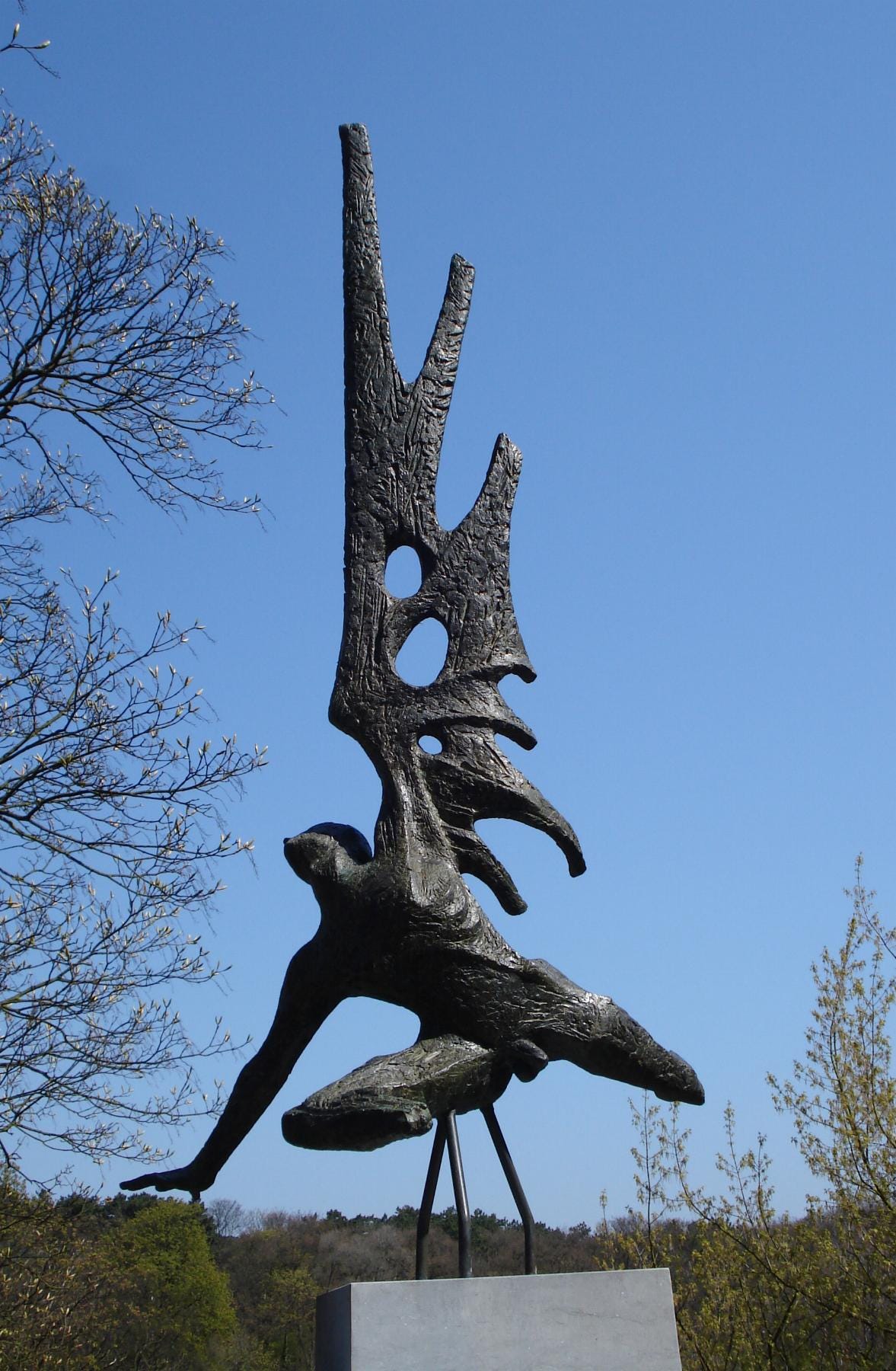
"Englandspiel Monument" or The Fall of Icarus by Titus Leeser in The Hague memorializes the 54 agents who were dropped into the Netherlands during Das Englandspiel. The inscription says, in part "They jumped to their death for our freedom."
On a March night in 1942, in a room in The Hague that smelled of tobacco and hot valves, a Dutchman sat down at a German‑controlled radio set and tried, clandestinely, to tell London he was a prisoner and not to trust his transmission.
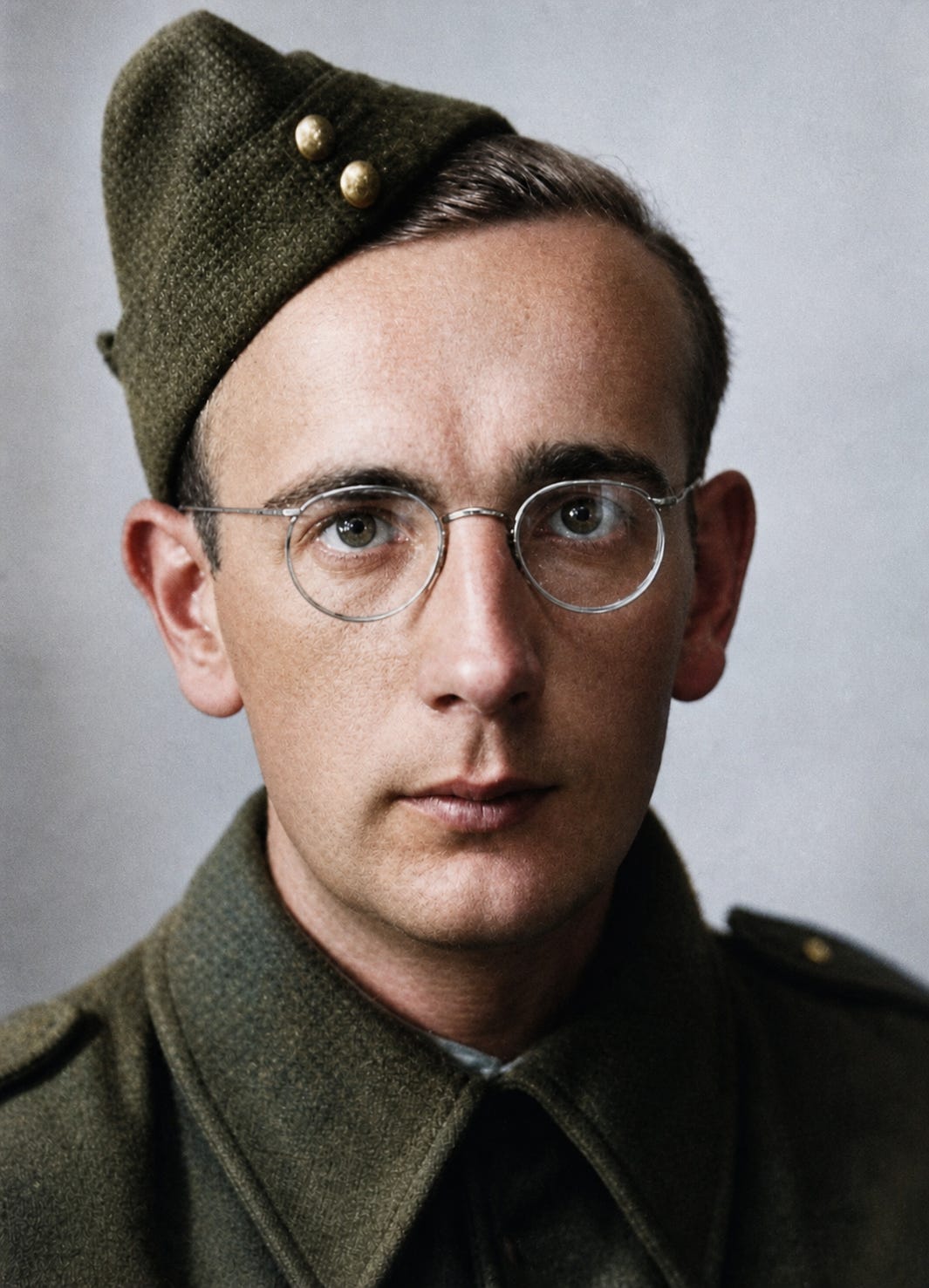
Hubert “Huub” Lauwers
His name was Hubert “Huub” Lauwers. He was twenty‑three, a wireless operator trained by Britain’s Special Operations Executive and dropped into the Netherlands the previous November alongside a lawyer named Thijs Taconis—the first SOE pair sent back into occupied Holland. He shouldn’t have been alive. The Abwehr, German military intelligence, had arrested him with his set and his codebook. Instead of shooting him, they’d made an offer: send what we dictate to England or we kill you and we use someone else.
They put him in front of the key. The man who watched him was a career intelligence officer named Hermann Giskes.
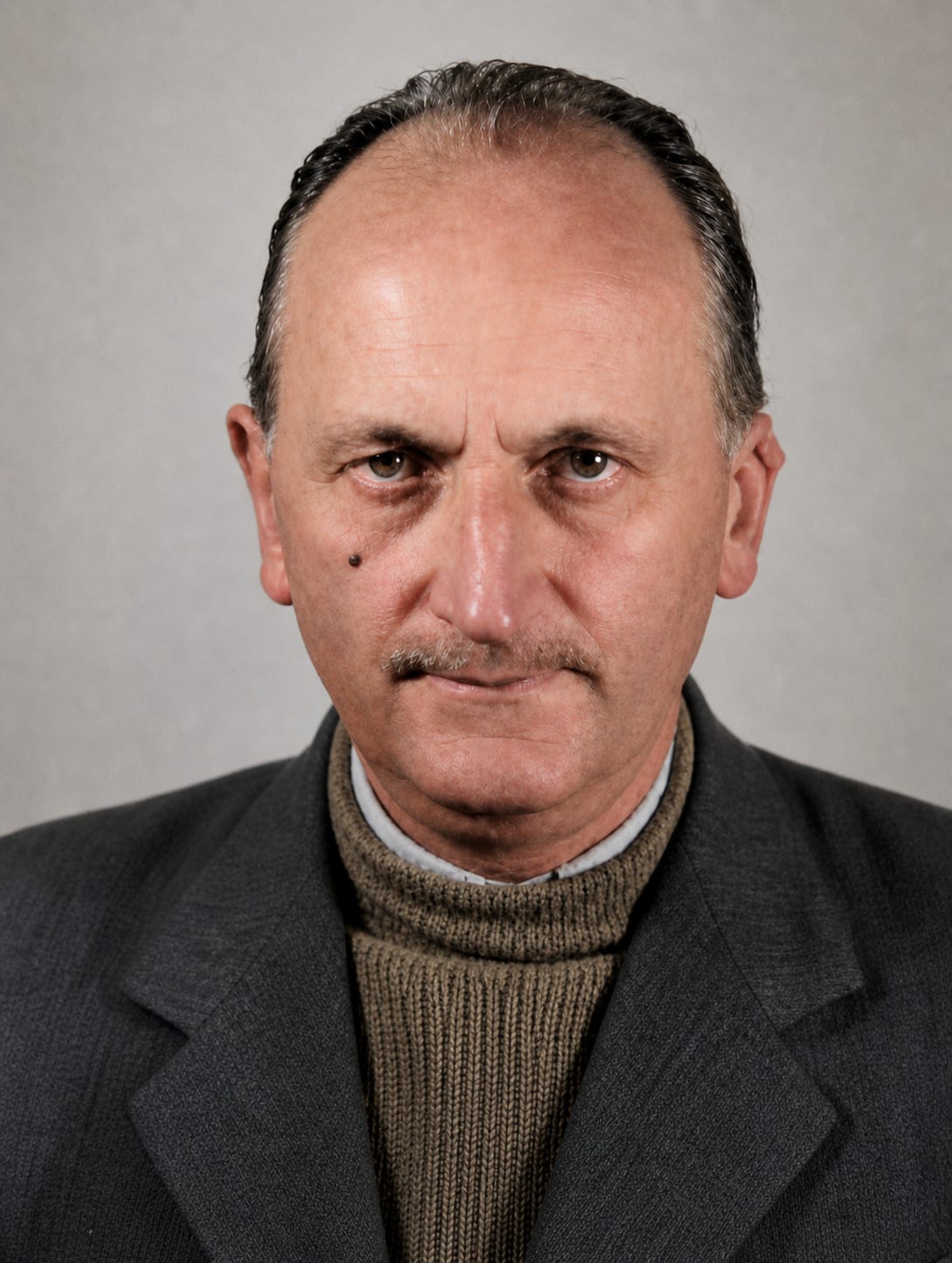
Hermann Giskes
The Signal
Before the war, Lauwers had been a radio man. Before SOE sent him out, their instructors gave him one last trick: a “security check.” It lived in the way he enciphered his messages—a small, deliberate quirk he could drop if he was captured. London, spotting the absence, was supposed to treat anything he sent after that as compromised. They told him this was his last resort.
On March 6, 1942, when the Abwehr knocked on his door in The Hague, that last resort became the only one left.
Six days later, under German supervision, he sat down and sent a message. He used his real call sign. He used his real cipher. He followed procedure. The only thing he changed was the check. He left it out. Somewhere in his mind, under the fear and the humiliation and the image of his family, a line from training repeated itself: London will see. London will know.
In Baker Street, the Dutch section did see.
Charles Blizard, head of the section, read the text. He had a stack of strips on his desk, each one a life line from a man he had signed off on sending into enemy territory. On this one, he marked the missing check. He knew what it meant on paper.
But he didn’t shut the circuit down.
He sent back a phrase that has been haunting the story ever since: YOU HAVE FORGOTTEN YOUR TRUE CHECK.
He thought he was giving his man a discreet prompt. He thought the next transmission would somehow make the situation unmistakable.
Giskes read the British reply too.
He asked his prisoner, in careful English, what “true check” meant. Caught between the threat in the room and the hope across the water, Lauwers told him. There was a second check. He hadn’t used it. The British wanted him to use it again. If the Germans included it, London would stay happy.
From that day on, every message sent under German control carried both checks.
At the London end, the strip looked clean again.
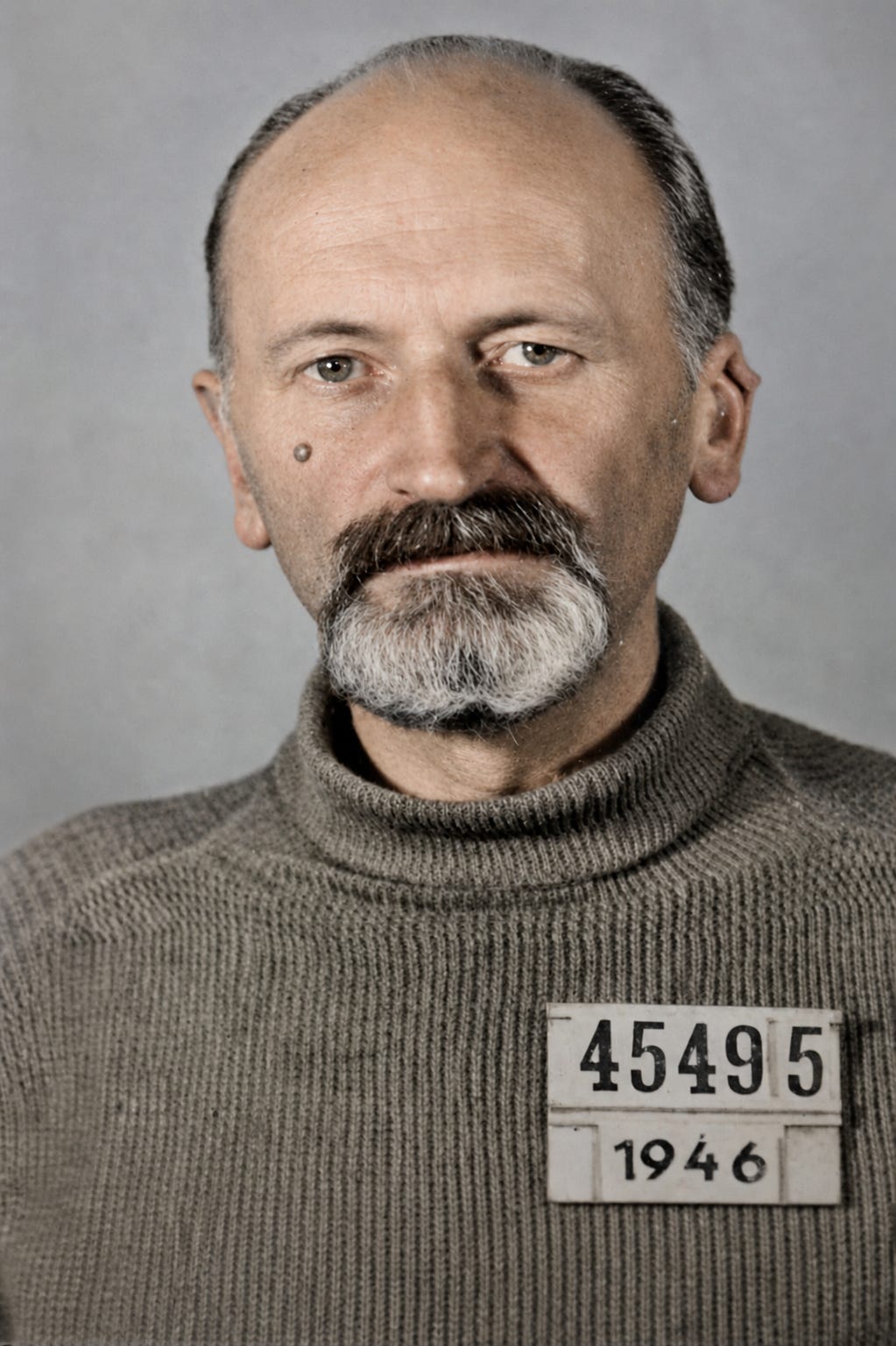
Hermann Giskes Under Arrest
The Game
England would later call it the England Spiel; the Germans called it Operation North Pole. It was a long confidence trick played over the air.
Lauwers was not the only set in the Netherlands. Within weeks, the Abwehr had captured another operator, Joan Fabius. More followed. By early 1943, Giskes had turned multiple British radios into a German network. Each call sign presented itself to London as a different resistance group. Each asked for money, weapons, explosives, agents. Each sent back reports on German dispositions and Dutch morale that looked plausible.
British aircraft dropped canisters and men into fields where German reception committees stood in the dark with the right recognition signals.
Over the operation’s life, about fifty‑four SOE agents were sent into Holland under the Dutch section’s control. All were captured. Only four are generally counted as survivors; the rest were killed or died in camps. The one who broke the pattern, a young Dutchman named Pieter Dourlein, escaped from Haaren prison in August 1943 with another captured agent, Ben Ubbink.
On September 6-7, 1944, forty‑seven SOE and resistance prisoners—forty Dutch and seven British—were hanged in the Mauthausen crematorium and cremated. The ashes weren’t preserved. There’s no grave for any of them. Their names are on a wall at the Dutch national memorial at Haaren and on another at the Mauthausen memorial site in Austria.
The British end of the link kept transmitting almost to the end.
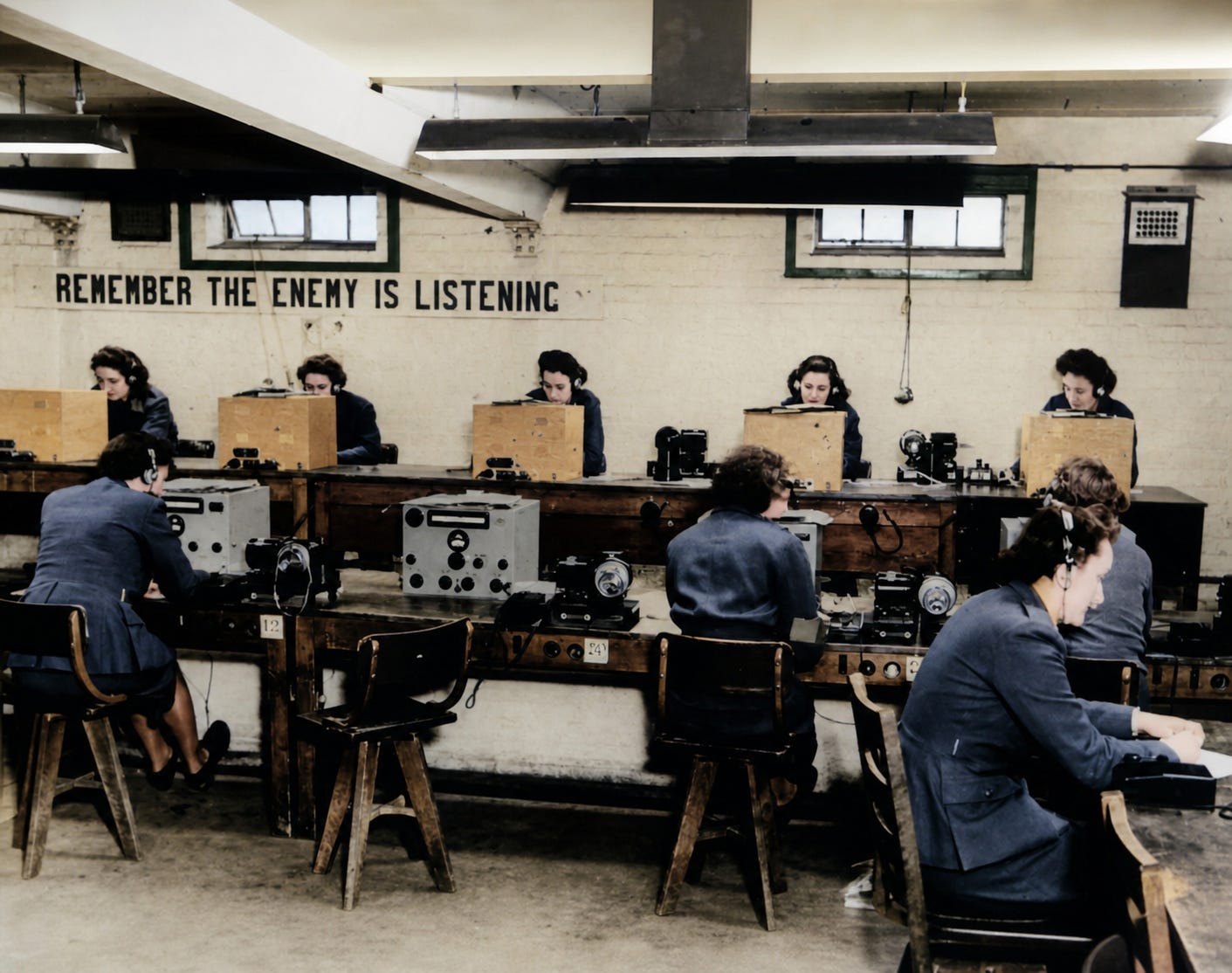
The SOE's England transmission base
Why London Didn’t Listen
The easy version of this story pins everything on Blizard: he saw a missing check and waved it away. But the real failure ran deeper.
The security check system looked sound in the training notes. In practice it ran into three problems nobody had fully reckoned with in early 1942.
First, London judged checks at a distance. Messages arrived after two wireless hops and at least one round of enciphering and deciphering. Errors were normal—dropped dots in Morse, figures miscopied from codebooks, characters lost under pressure with German direction‑finding vans prowling outside. Officers at Baker Street were taught to be forgiving of small irregularities. Against that general noise, a missing check didn’t always flash as bright red as the doctrine assumed.
Second, SOE had not explained the system the same way at both ends. Operators were told that dropping a check would trigger alarm and investigation. There was no guarantee that London would immediately shut them down, because London had other concerns: networks, supply chains, the broader war. The men in the field thought they were sending a flare. The men in the office thought they were reading a glitch until further evidence appeared.
Third, and most human, every decision sat with a section head looking at the name of a man he had personally recruited and trained. The formal instruction was: if the check goes, assume capture, treat the circuit as blown, stop drops. The lived reality in 1942 was: If I make that call and I’m wrong, I kill him; if I delay and I’m wrong, I endanger people I haven’t met yet.
The mind grabs for what it can live with.
Blizard was not the only one who erred on the side of believing in his operators. French, Belgian, and Norwegian sections all had moments where they explained away signs they should have treated as warnings. Most pulled back in time. Holland didn’t, because on the other end of the link sat a professional who knew exactly what he was doing.
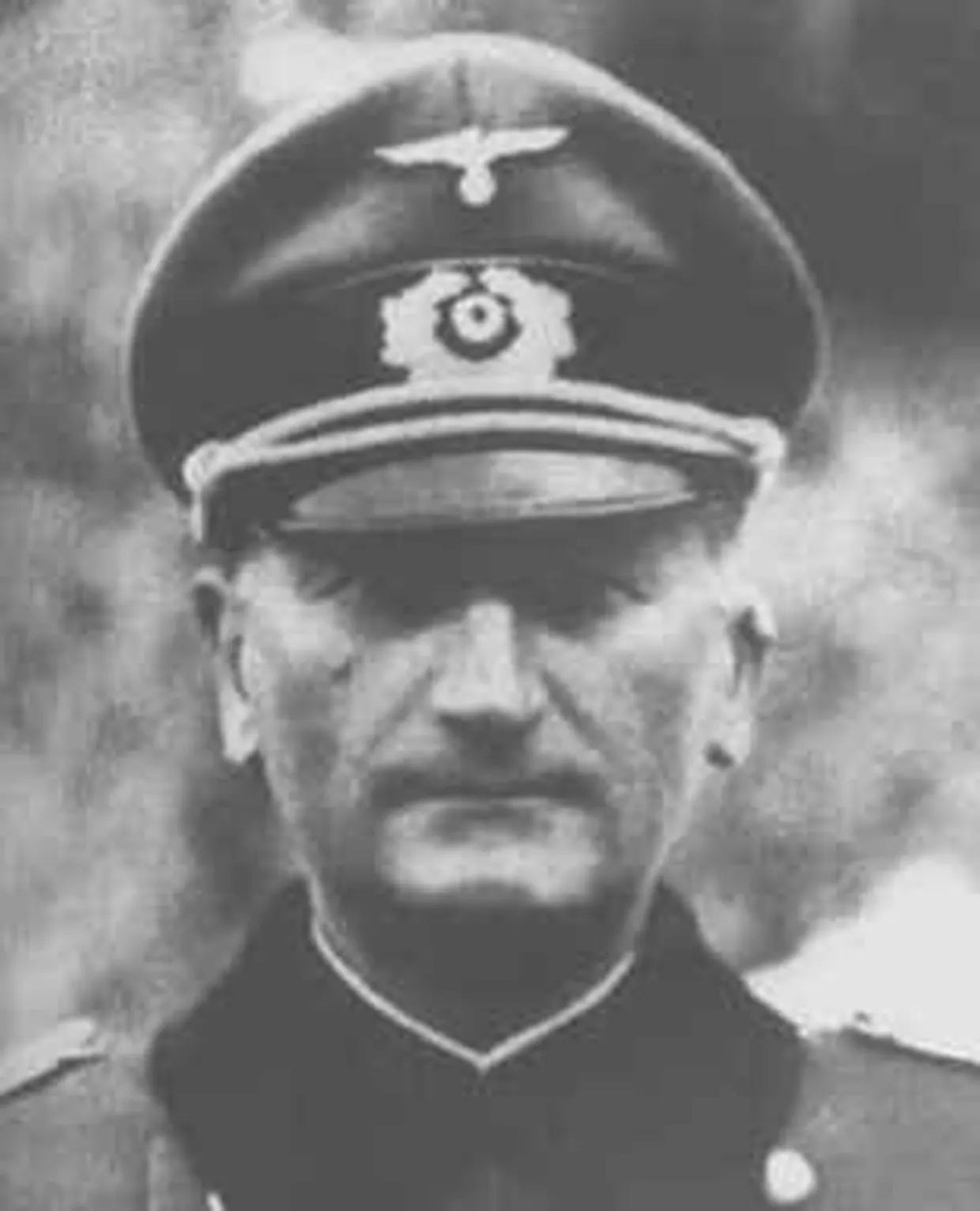
Hermann Giskes
The Man Across the Line
Hermann Giskes had been an officer in the First World War, a commercial intelligence man in the 1920s, and then a senior Abwehr officer by the outbreak of the second. He wasn’t a party functionary. He stayed out of the Nazi Party and out of the Gestapo. The distinction mattered to him. His business was not punishment. It was control.
He understood two things very clearly.
He understood that a living agent with a working set was a weapon you could fire at the man who sent him. So he kept his operators alive, fed, and comparatively well treated, while reminding them what could happen to their families if they refused to cooperate. In occupied Holland in 1942, that bargain was persuasive.
He also understood that his real targets lived at desks in London. The Dutchmen in his cells were instruments. The people he meant to deceive were the officers of SOE’s Dutch section reading their incoming. For two years he ran what amounted to a one‑sided conversation with those men, adjusting tone and detail until what he sent matched what they expected to see.
He learned their names from their own traffic. When he finally ended the operation on April 1 1944, his farewell signal stated:
To [the SOE section chiefs] Messrs Blunt, Bingham and Succs Ltd., London. In the last time you are trying to make business in Netherlands without our assistance stop we think this rather unfair in view of our long and successful co-operation as your sole agents stop but never mind whenever you will come to pay a visit to the Continent you may be assured that you will be received with the same care and result as all those who you sent us before stop so long.
He’d never met them. But he’d been living in their heads since 1942.
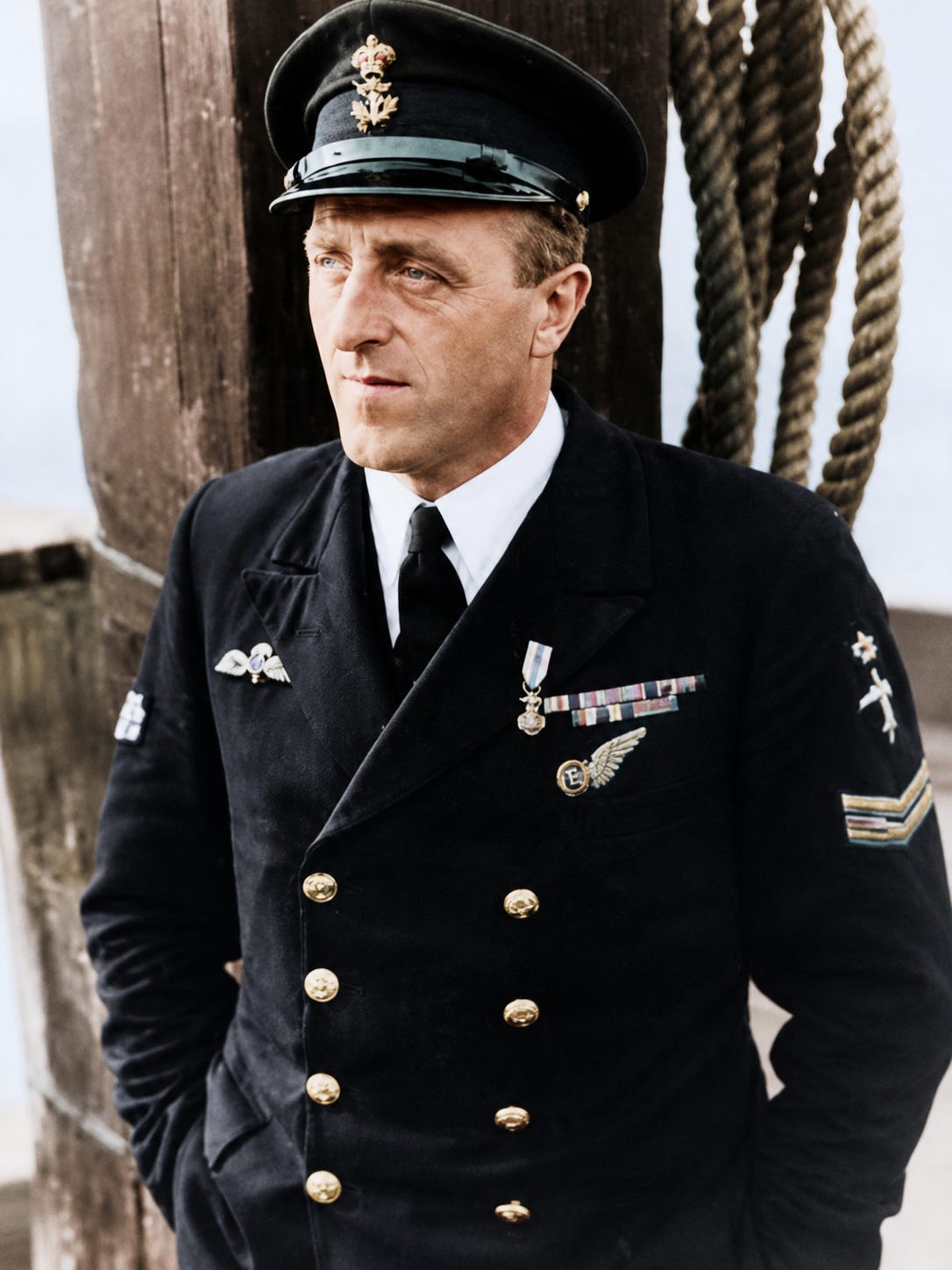
Pieter Dourlein
Two Dutchmen Walk Back In
Of the dozens of agents sent into Giskes’ trap, only a handful survived. Two of them forced the reckoning.
In August 1943, in the early hours, Pieter Dourlein and Ben Ubbink climbed out of Haaren prison. They moved across Belgium, France and Spain on forged papers, stolen bicycles and the help of strangers. Dourlein reached London in February 1944; Ubbink followed weeks later.
They walked into Baker Street and said, in effect: everything you think you’ve been running in Holland has been in German hands for two years.
The first response wasn’t gratitude. It was suspicion.
Giskes stayed a step ahead of them. Before Dourlein and Ubbink ever reached London, he sent a forged message, supposedly from a trusted SOE agent, claiming the two men had been turned and were now working for the Germans. When Dourlein arrived in Britain, SOE treated him as a possible traitor and locked him up at the Patriotic School in Wandsworth, the place where they processed and interrogated their own agents. The men questioning him were part of the machine he was accusing. He stuck to his story.
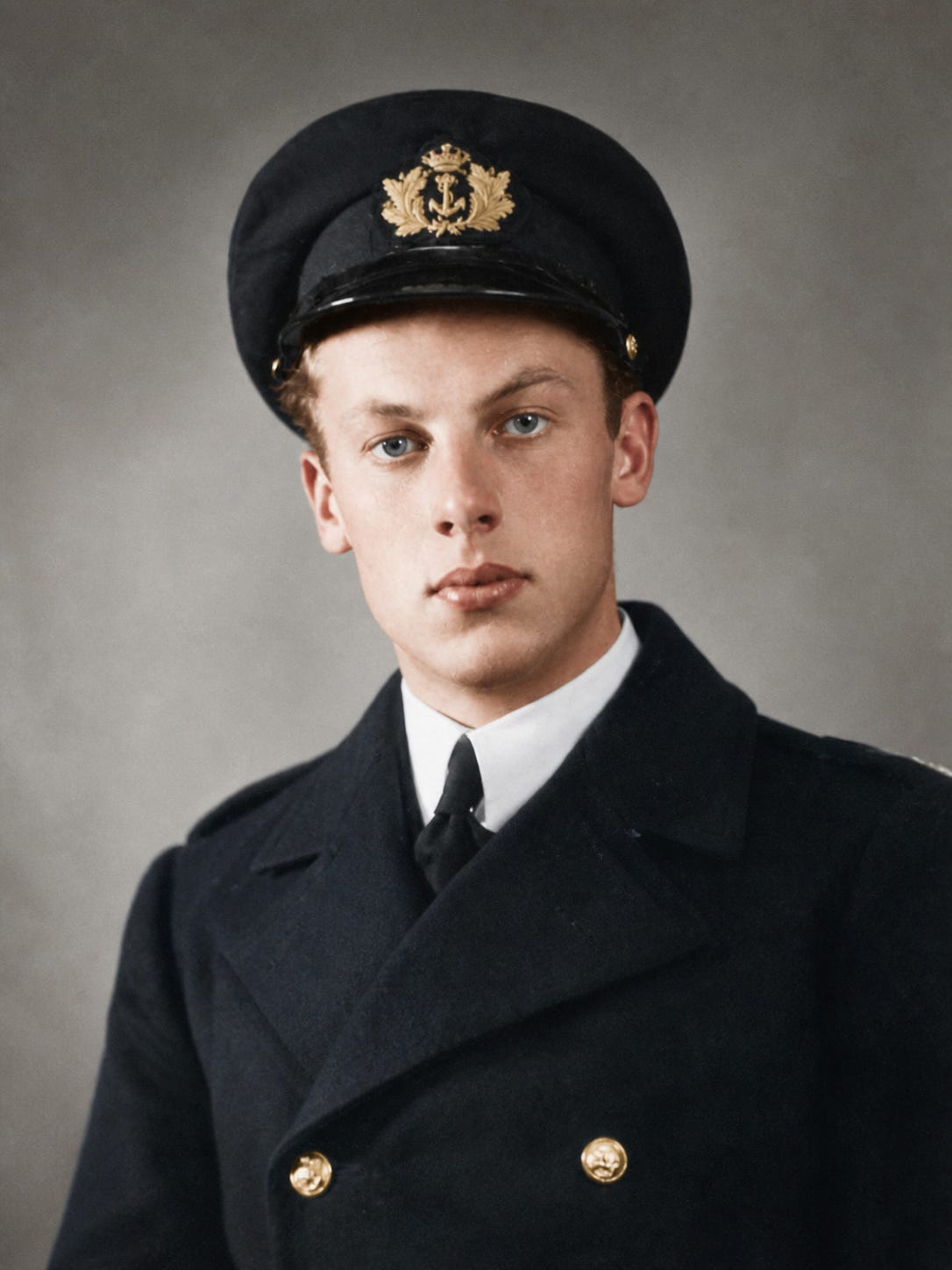
Ben Ubbink
When Ubbink arrived later and independently confirmed every detail, the weight of two matching accounts finally forced the issue. Old messages came back out of files. Check sequences were re‑examined. Traffic that had once looked “too good to be true” began to look exactly that when read alongside the escapees’ testimony. By April 1944, SOE’s own reports admitted that the Dutch networks had been under German control for two years. Dourlein and Ubbink stayed in British custody until after the Normandy landings that June; only later were they cleared and honored by the Dutch government.
By that time, the section had already stopped sending new agents; the last drops had gone in December 1943, when fresh arrivals failed to transmit at all and silence finally rang louder than reassurance.
Giskes, seeing the door closing, sent his mocking goodbye. The British reorganized the Dutch section and moved Blizard and his successor, Seymour Bingham, out of their jobs. The Dutch government‑in‑exile demanded inquiries. The anger on both sides was real. The explanations were unsatisfying.
But the true loss lay in the ground, not on the memo.
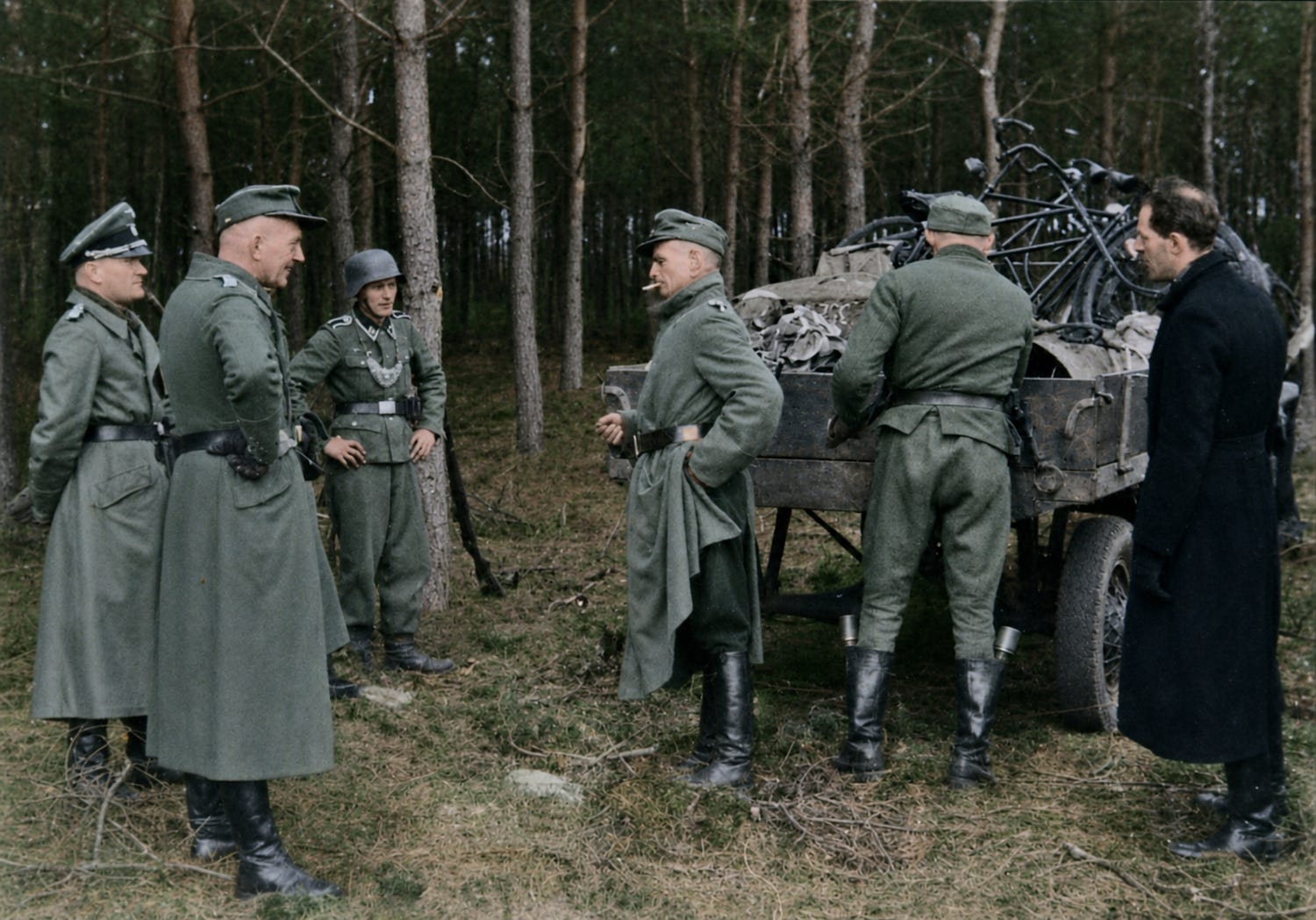
England game. Interception of dropped weapons. SD men Hahn and Eenstroth look over the dumped containers with illegal weapons, which were dropped by the RAF shortly before.
What Changed and What Didn’t
One thing did change directly because of England Spiel: who got to decide whether to believe a warning.
After 1944, SOE stripped the section heads of the power to judge their own agents’ checks. That job went to a separate wireless security function whose only business was to read signals and call them safe or blown. The new rule was simple enough to fit on a single line: sections do not mark their own homework.
It was a bureaucratic move, not a cinematic one. It meant that later operators who tried to signal capture weren’t relying on the one man most invested in telling himself they were fine. It meant that when checks went missing, someone without a personal stake was paid to be pessimistic.
The rule outlived SOE. Variants of it show up in postwar British and American procedures wherever there is a risk that loyalty to a person can blunt a protocol. Most people who serve under those rules never see the file that gave birth to them.
Other things didn’t change so cleanly.
For two years, almost every Dutch message London saw had been crafted by an enemy. When the truth sank in, it left a residue: Dutch sources were treated with caution. That caution shows up in how some British staff officers wrote about the Netherlands afterwards—references to “previous bad experience” and “unreliable Dutch intelligence” that are hard to separate from the England Spiel scars.
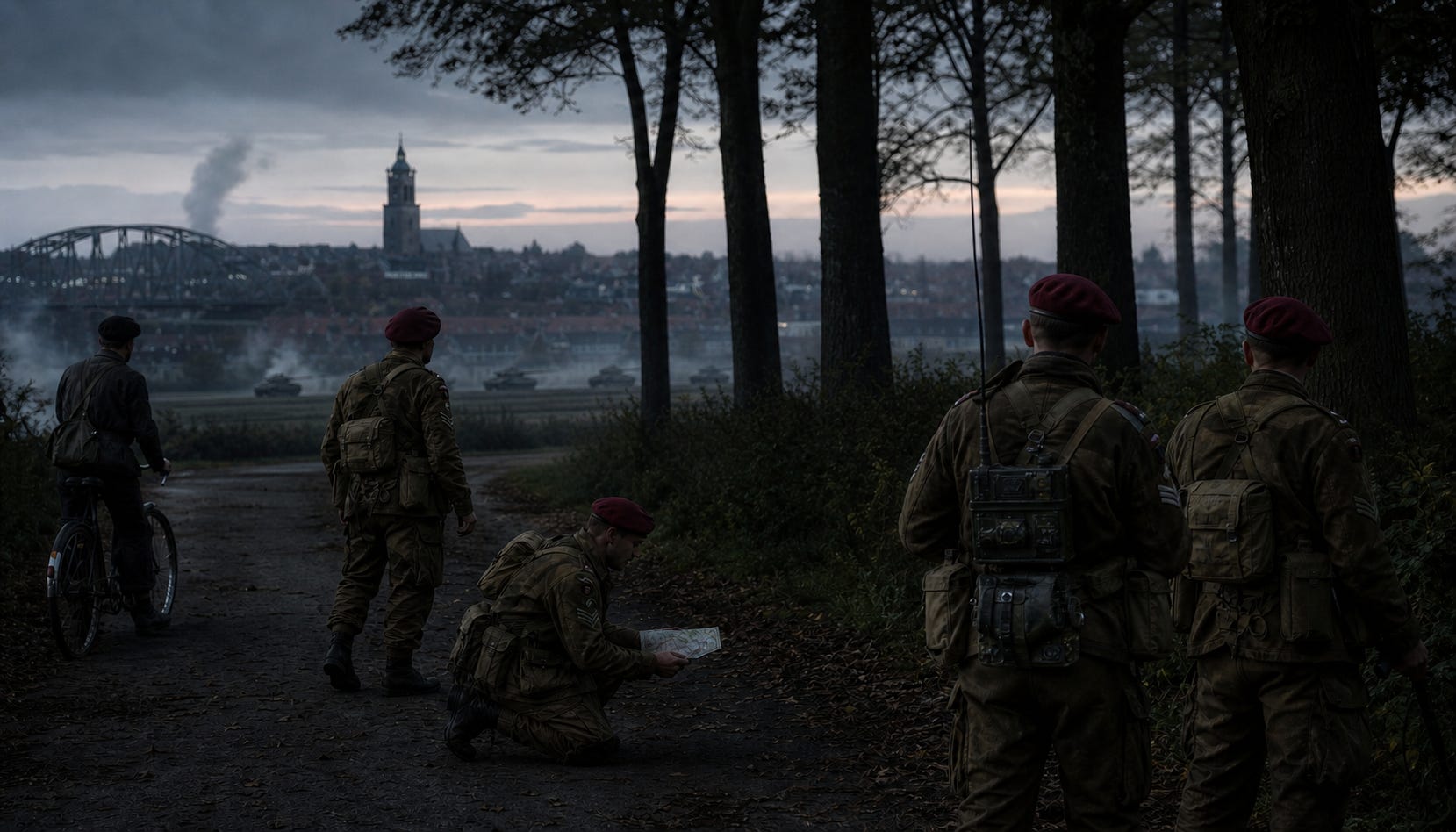
Arnhem, Carefully
In the weeks before Operation Market Garden, Dutch resistance groups reported that German armor was refitting in the Arnhem–Nijmegen area. They named the 9th and 10th SS Panzer Divisions Hohenstaufen and Frundsberg, both pulled out of Normandy and resting in the Netherlands. They passed on sightings of tanks on trains, vehicle parks in woods, staff cars in town.
Those reports reached Allied intelligence staffs at SHAEF and the British 21st Army Group. They weren’t entirely ignored, but they weren’t allowed to bite hard into the plan either. Some were downgraded as “unconfirmed Dutch reports”; others were effectively argued away by senior officers who wanted Market Garden to go ahead on the assumption of weak opposition.
When 1st Airborne Division dropped near Arnhem on September 17th, its official briefing still described the area as lightly held.
The units that tore into them over the next nine days carried the insignia the Dutch had been reporting.
It would be dishonest to claim a straight, documented line from Englandspiel to every British misjudgment at Arnhem. Market Garden had its own catalogue of flaws: over‑ambitious objectives, stretched logistics, air plan compromises, wishful thinking at the top. The intelligence failure around Arnhem was a mixture of discounted Dutch reporting, poor dissemination of what was known, and commanders who heard warning notes and chose a more optimistic reading.
Englandspiel sits in that mix as part of the weather. It taught British officers a brutal lesson about how easily Dutch channels could be hijacked. It made “Dutch source” a warning label in some minds. In a different world, without that history, those Arnhem warnings might still have been shoved aside. But they would not have started from a position of suspicion.
Institutional failures don’t end when the last prisoner is hanged. They echo through the way later warnings sound to people whose trust has already been burned.
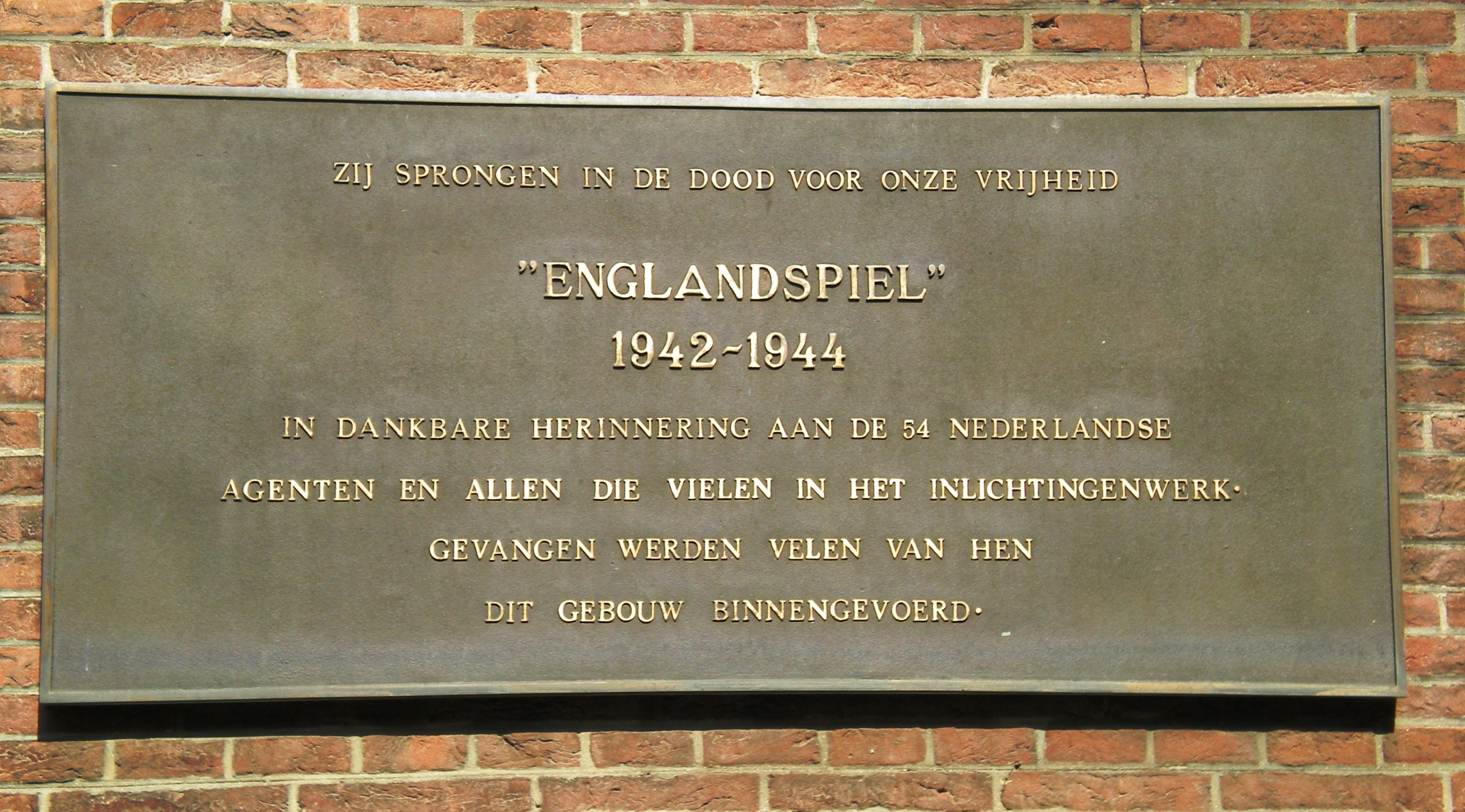
A plaque regarding the Englandspiel on the Binnenhof in The Hague
What It Teaches
There’s a lesson in the Englandspiel that I want to name directly, because I’ve watched American intelligence and special operations services learn it and forget it and relearn it across many decades, and because the next time the lesson becomes important the people learning it will not have the benefit of remembering that the British paid for it first.
The lesson is that intelligence doctrine has to be enforceable against the personal preferences of the officers administering it.
The SOE wireless check system worked on paper. It stopped working the moment a missing check arrived on the desk of a man who did not want his operator to be dead. The personal psychology of the officer reading the check defeated the formal doctrine that was supposed to protect against exactly the situation that had arisen. The solution, which SOE adopted in late 1944, was to remove the check analysis from the section handling the operator and to assign it to a separate wireless security division that had no personal relationship with any operator and no incentive to explain away a missing check. The separation worked. Once the wireless security division was in place, no further section-level England Spiel ever developed in SOE.
Any intelligence rule that depends on a person acting against his own instincts will fail sooner or later. If a decision is so hard that the officer in the chair will always want to dodge it, the system has to take it out of his hands. Give it to someone who doesn’t know the operator, doesn’t know the section, doesn’t carry the history. Someone whose whole job is to look at an ambiguous case and err on the side of caution.
The British didn’t have that in 1942. They built it only after it had cost them dozens of Dutch agents and helped set the conditions for later disasters. The Americans who built their services after the war, including the CIA, studied that lesson and put the wireless‑security function in from the start. Anyone who has ever worked under a modern clearance regime has lived under procedures that exist because, in March 1942, a man in Baker Street saw a missing security check and talked himself into believing it was nothing.
This is how institutional memory actually works. Most of the time, silently. The names of the dead don’t appear on the cover of the manual, but reside where nobody reads them except historians.
At Heroes’Path, we’d like to change that.
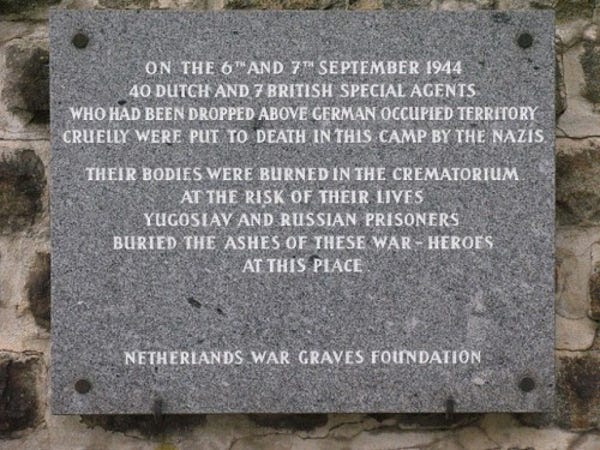
Memorial plate in the grounds of Concentration camp Mauthausen marking the spot where the ashes are buried of 40 Dutch and 7 British secret agents, mostly arrested during the Englandspiel and murdered in this camp on September 6th and 7th, 1944.The Names Left Behind
The England Spiel files list the Dutch agents as rows in a table, and it reads like an inventory: name, date of drop, date of arrest, date and place of death.
On another sheet, the same men are remembered differently.
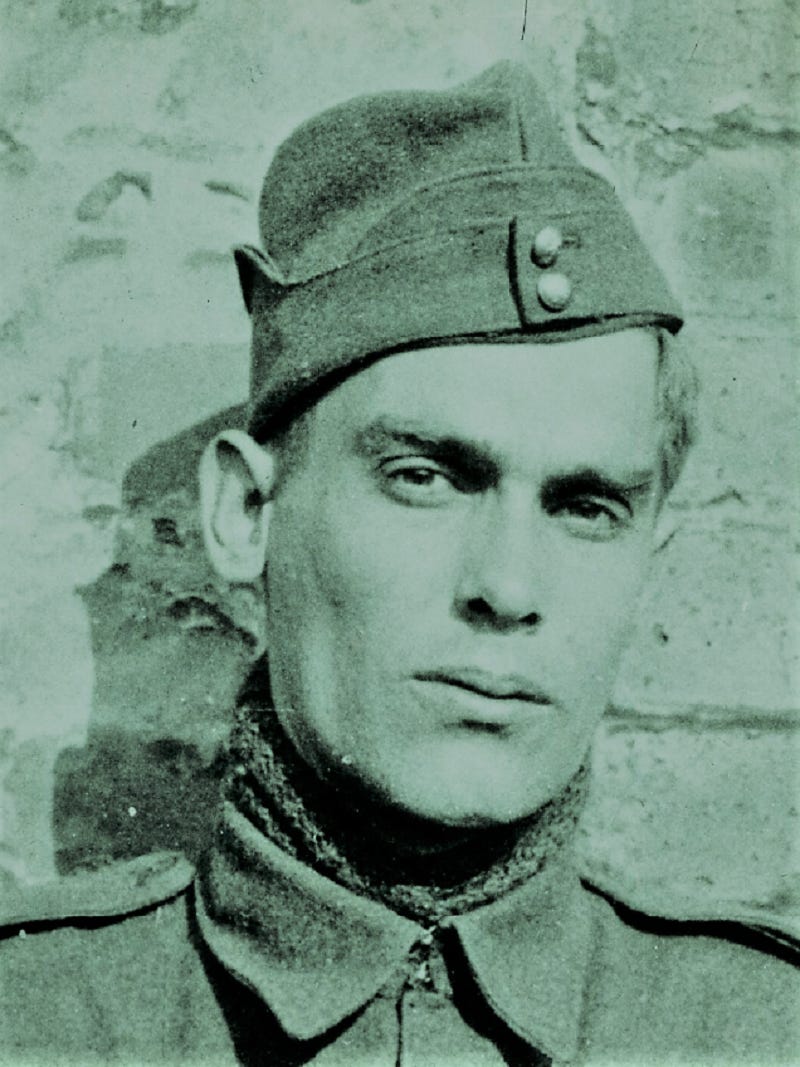
Thijs Taconis, killed by the Englandspiel. Born 28 March 1914, in Rotterdam. Sent by SOE, parachuted and arrested on 9 March 1942. Died 6 September 1944 at Mauthausen.
Thijs Taconis, the lawyer who went first.
Hubert Lauwers, the wireless man who tried to tell the truth with a missing check and lived long enough to see the inquiries and write a memoir that never found a publisher.
George Jambroes, former member of the Dutch parliament, hanged at Mauthausen at forty‑nine.
Arie de Haas, Jan Hofstede, Max Grün, Wim van der Giessen: ages in the twenties and early thirties, ordinary trades and professions that ended at a camp crematorium whose ashes no one can now sort.
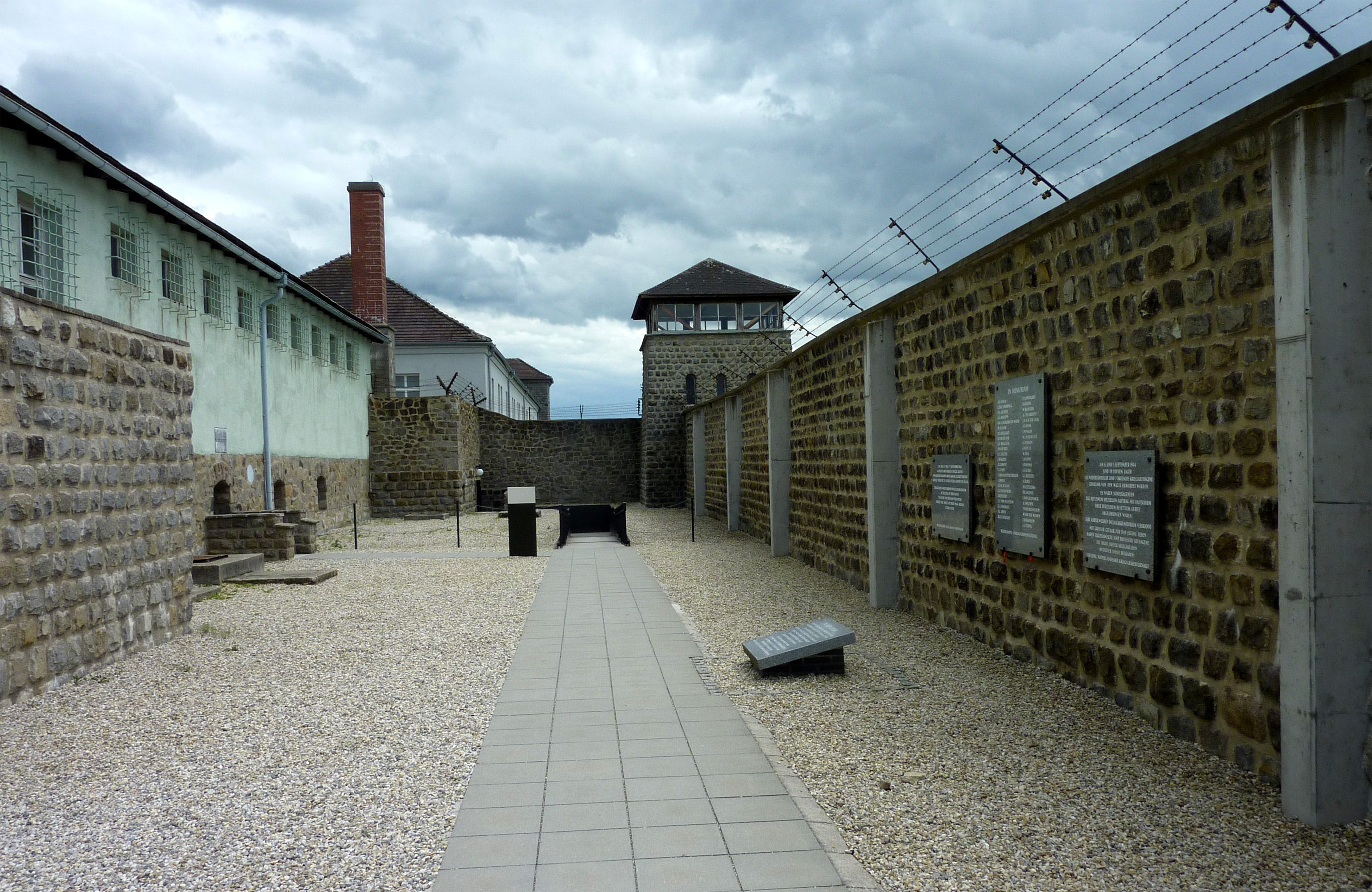
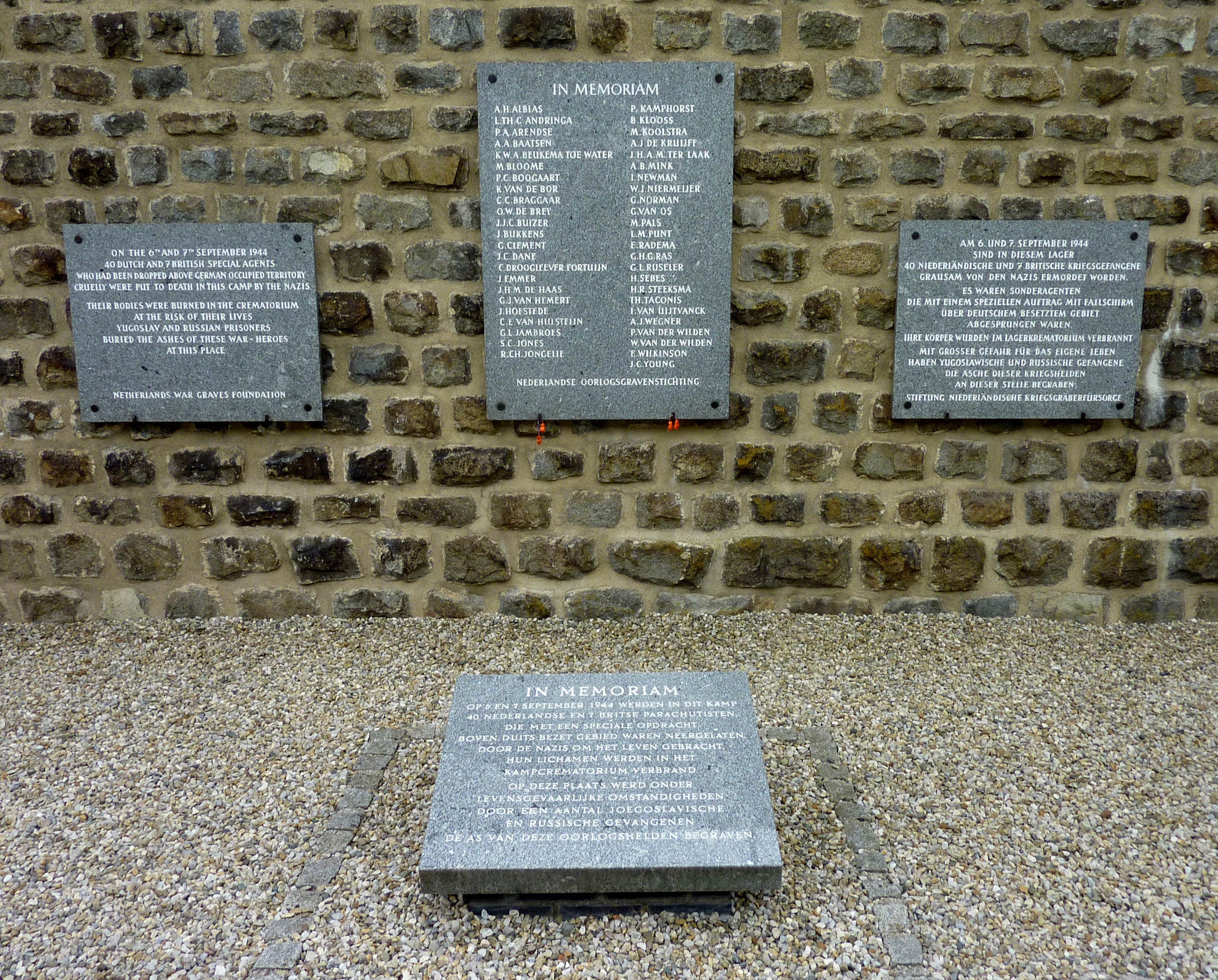
Mauthausen concentration camp, memorial plaques behind the Prison Block marking the spot where the ashes of the executed Englandspiel SOE agents are buried
No stone in Britain says that the Dutch names at Haaren and Mauthausen and the British names at Oosterbeek belong in the same sentence.
The sentence lives in a file at Kew. A young Dutch operator leaves out the check he was told would save him. A man in Baker Street sees it missing and chooses to believe it’s nothing. A German officer takes both choices and turns them into a tool.
The gap between “he’s tired” and “he’s captured” is a pencil’s width. In that gap, Englandspiel managed to fit fifty Dutch section agents dead or lost in camps, a row of gallows at Mauthausen, a bloodied airborne division at Arnhem, and a handful of quiet rule changes in offices that never made the memorials.
Most of the men who paid for that change never saw it written down. They did the job they were given. They trusted a system that wasn’t strong enough to tell itself the truth.
The least we can do, reading their story now, is not make it any less messy or tragic than it really was.
—John
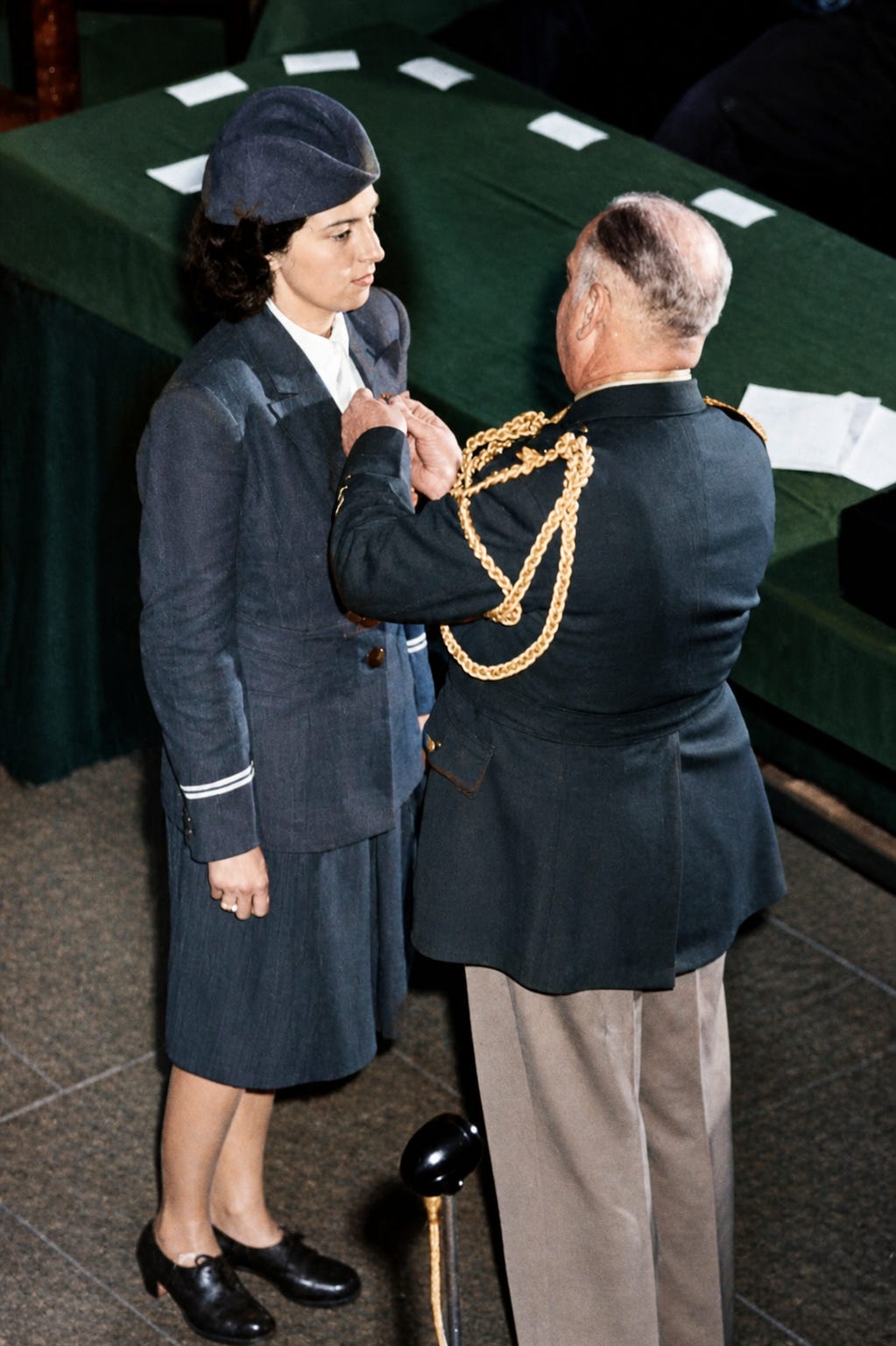
Trix Terwindt, the only woman agent captured by the Germans in Englandspiel and one of the few who survived the war
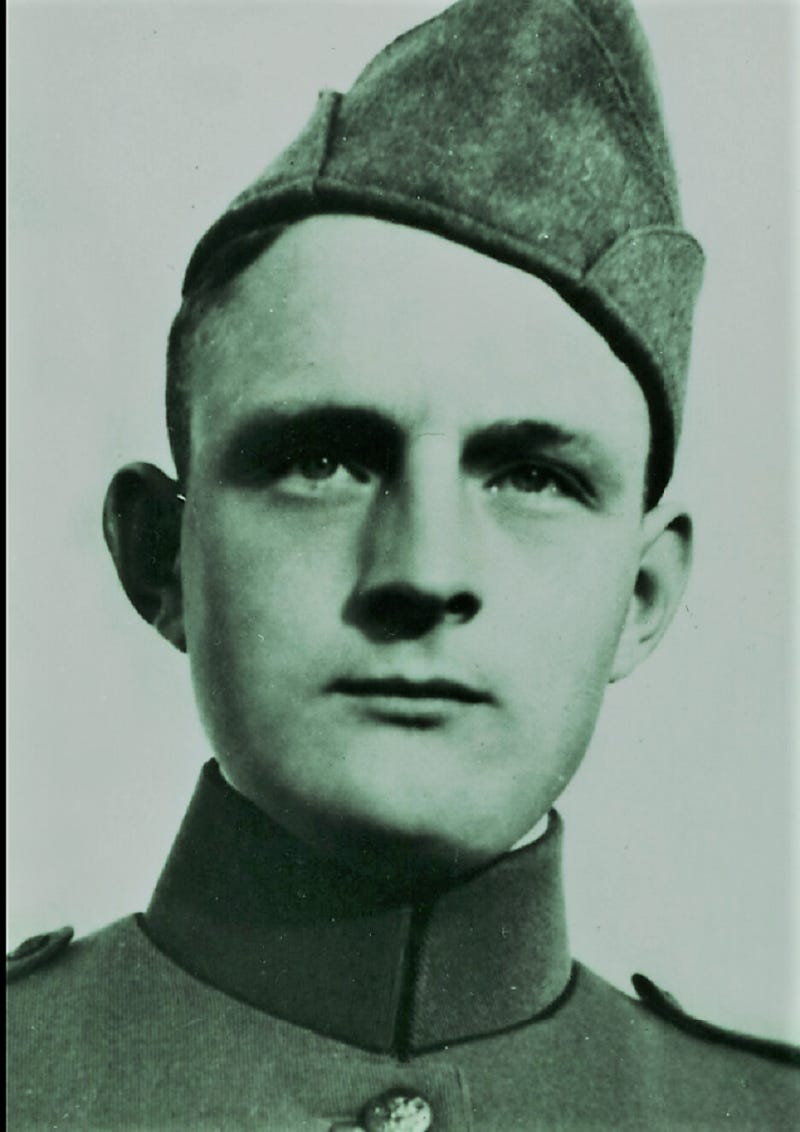
Jan Emmer, killed by the Englandspiel
Escaped to England by boat in the autumn of 1941.
SOE agent sent across the North Sea with Felix Ortt by the group Hazelhoff Roelfzema (Soldier of Orange).
Born: 8 April 1917 in Wormer. Broadcast by: MI-6/Contact Holland. Deposed 12 March 1942.
Arrest: 30 May 1942. Died: 6 September 1944, at Mauthausen.
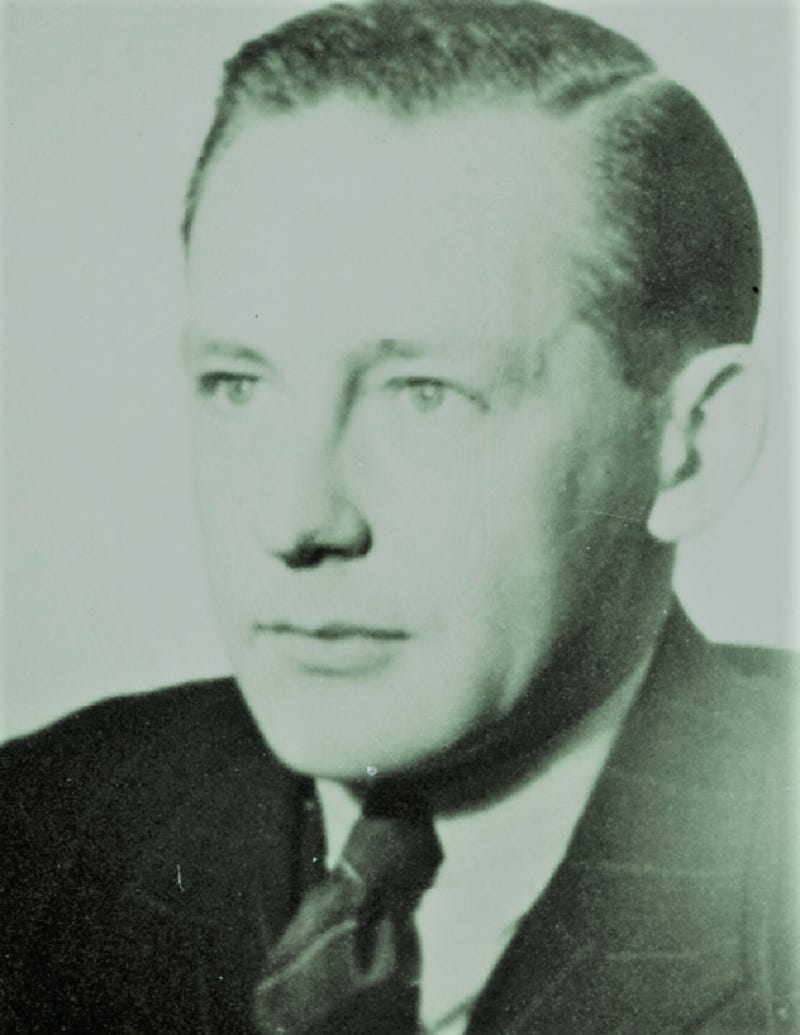
Gerard van Os, killed by the Englandspiel
Born: 2 May 1914, SOE/Plan-Holland, parachuting and arrest: 18 February 1943
Died: 6 September 1944, at Mauthausen.
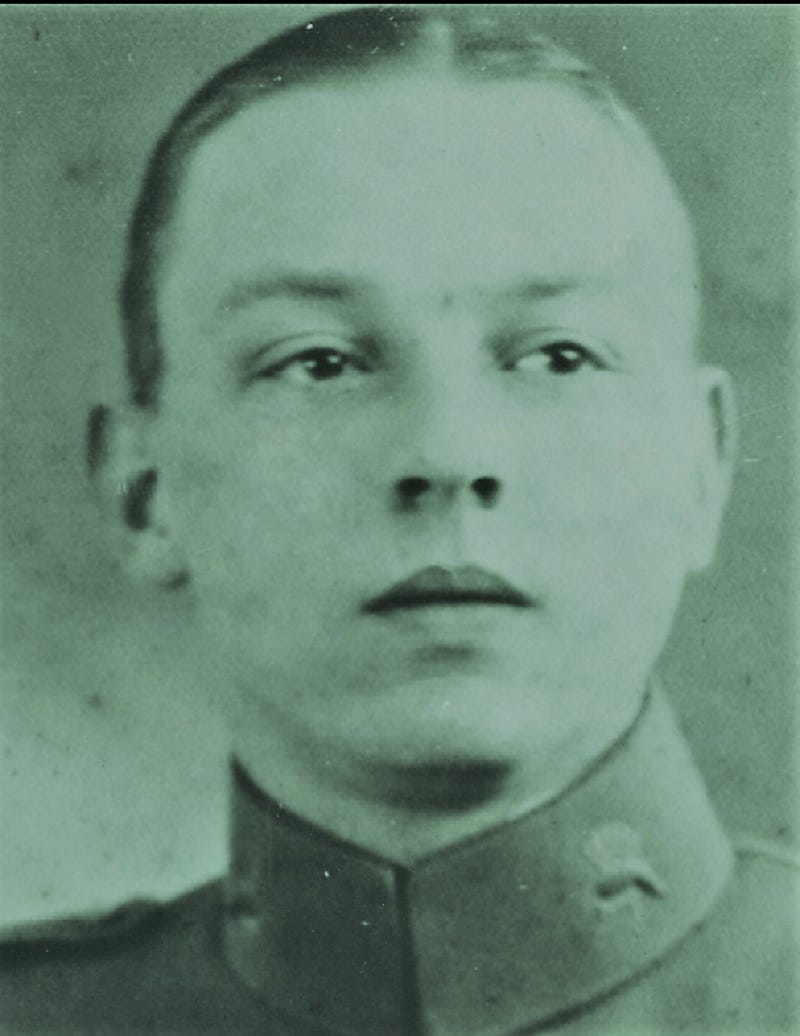
Johannes Cornelis Buizer, killed by the Englandspiel
Born: 11 September 1918, in Almkerk. SOE. Parachuting and arrest: 22 June 1942.
Died: 6 September 1944 at Mauthausen.
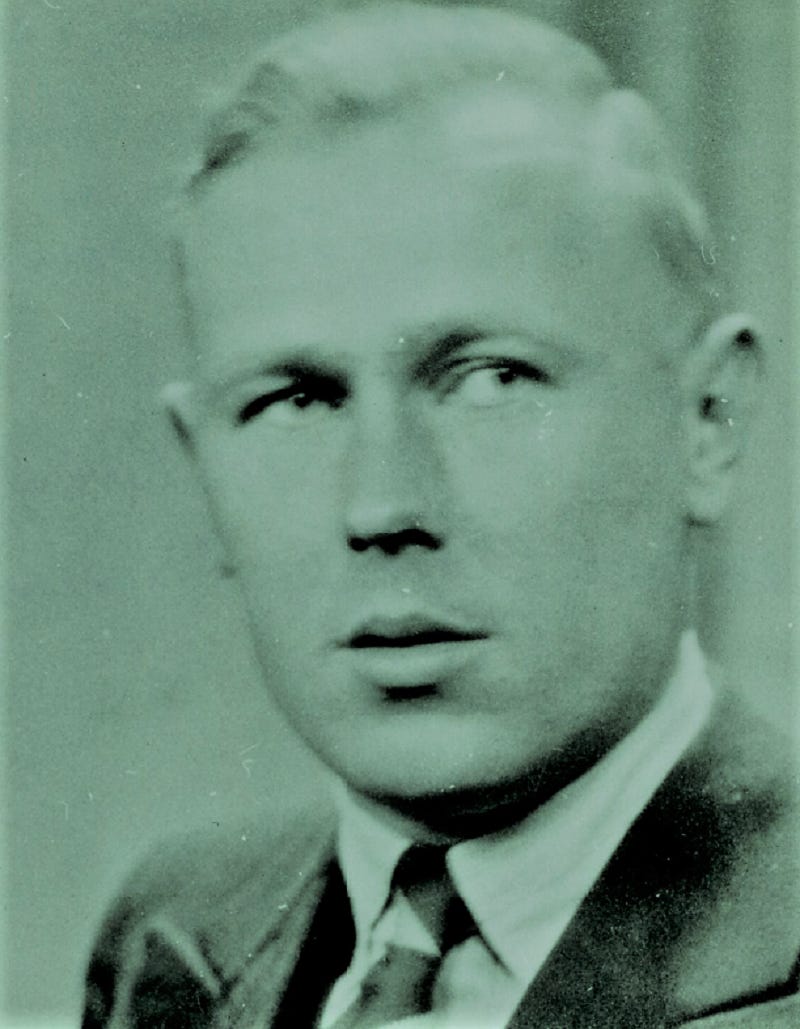
Pieter van der Wilden, killed by the Englandspiel
Born: 8 May 1914, in Haarlem. SOE/Plan-Holland.
Parachuting and arrest: 18 February 1943. Died: 6 September 1944, at Mauthausen.
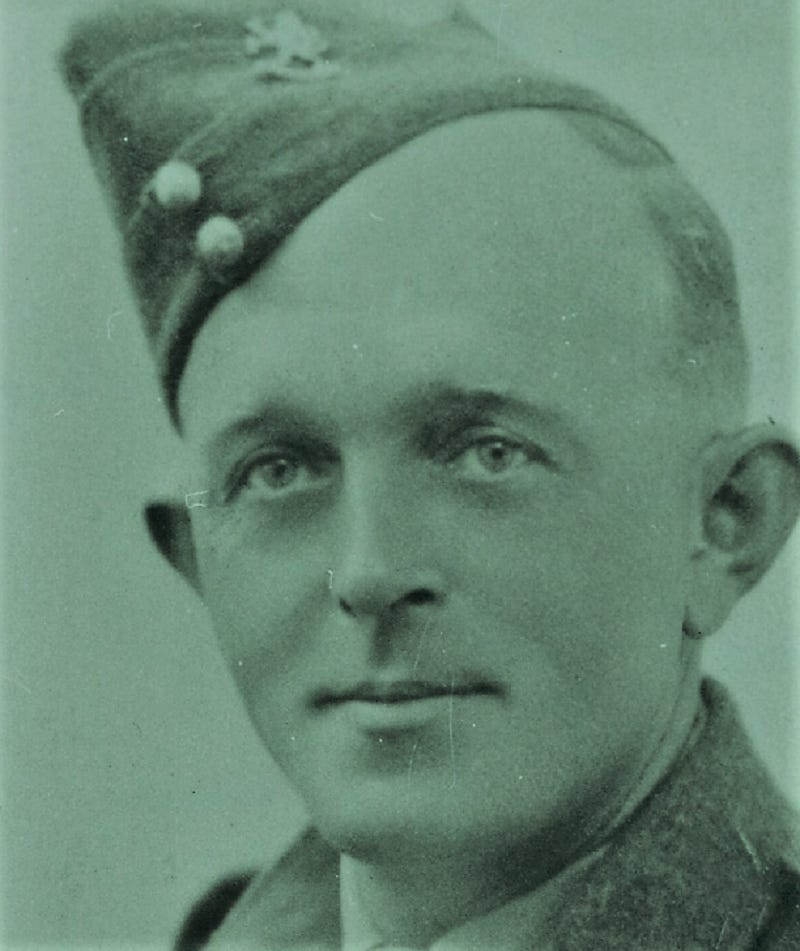
Willem van der Wilder, killed by the Englandspiel
Born: 1 July 1910, in Kelichem. SOE/Plan-Holland.
Parachuting and arrest: 18 February 1943. Died: 6 September 1944 at Mauthausen.
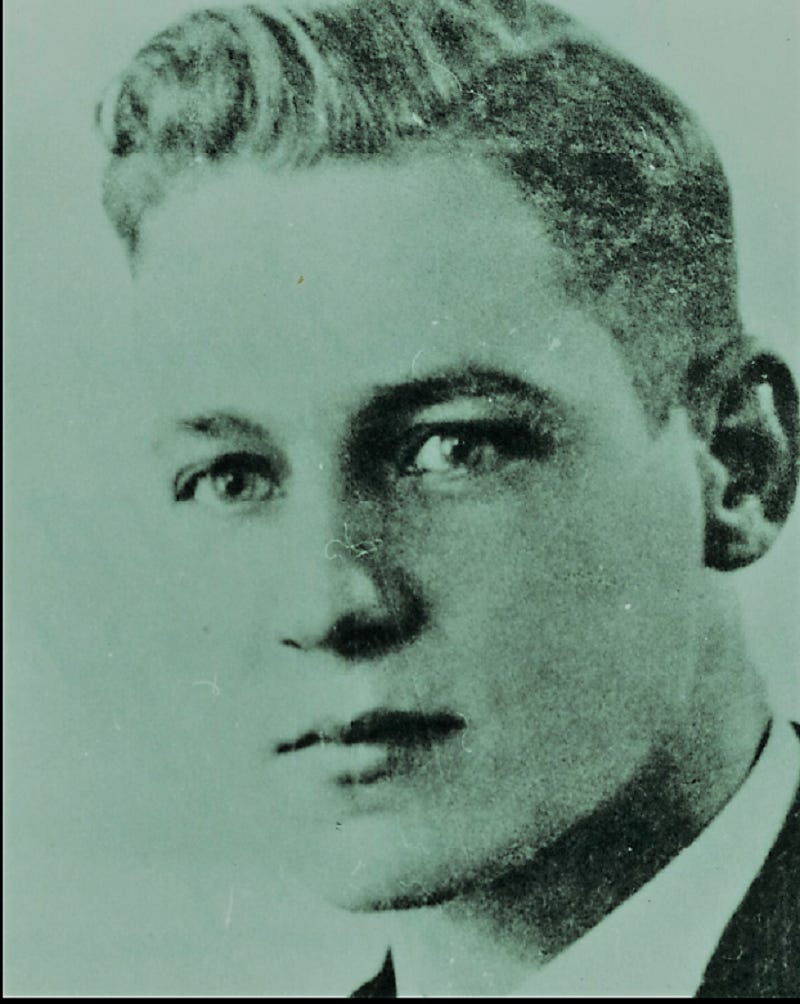
Aart Hendrik Alblas, killed by the Englandspiel
Born: 20 September 1918, in Middelharnis. MI-6/CID. Parachute: 5 July 1941.
Arrest : 16 July 1942. Died: 6 September 1944, at Mauthausen.
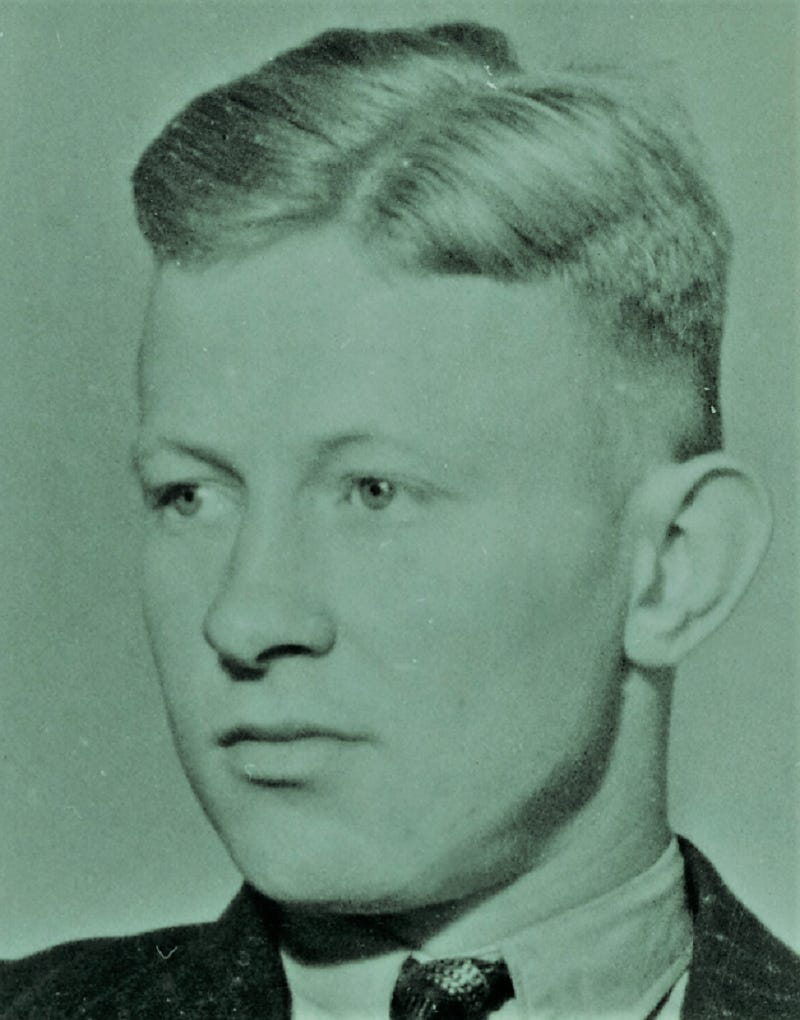
Charles Hofstede, killed by the Englandspiel
Born: 17 December 1918, in The Hague. SOE/Plan-Holland. Parachute and
arrest: 24 October 1942. Died: September 6, 1944, at Mauthausen.
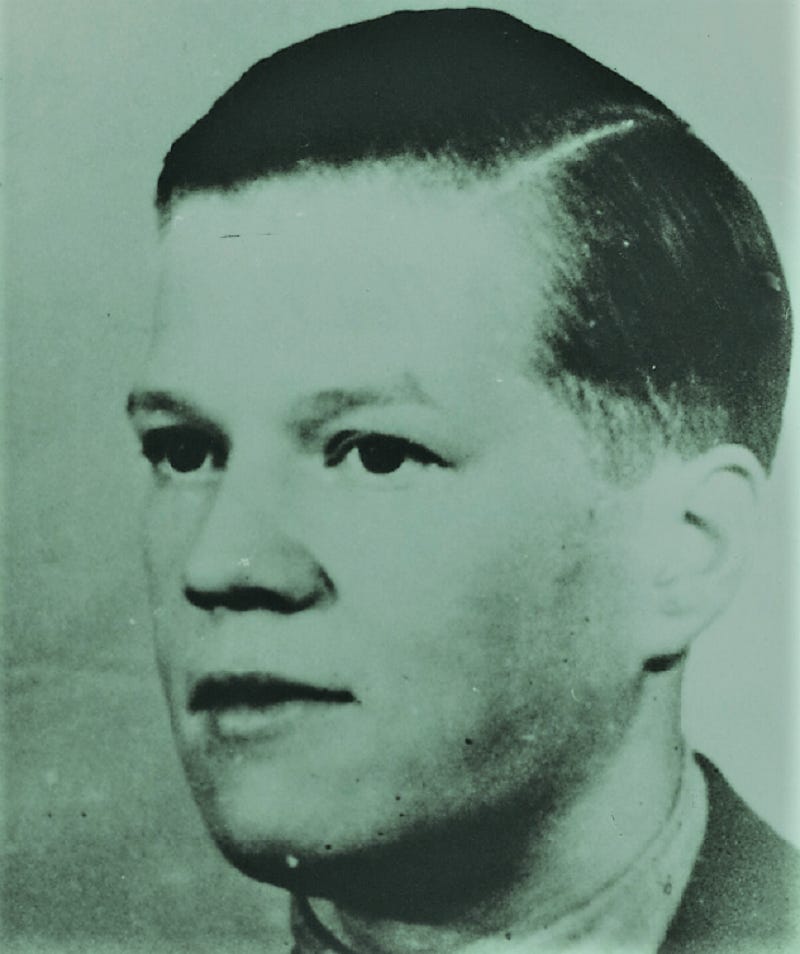
Leonardus Cornelis Theodoris Andriega, killed by the Englandspiel
Born: 22 November 1913, in The Hague. SOE. Parachute: 29 March 1942.
Arrest: 28 April 1942. Died: 6 September 1944, at Mauthausen
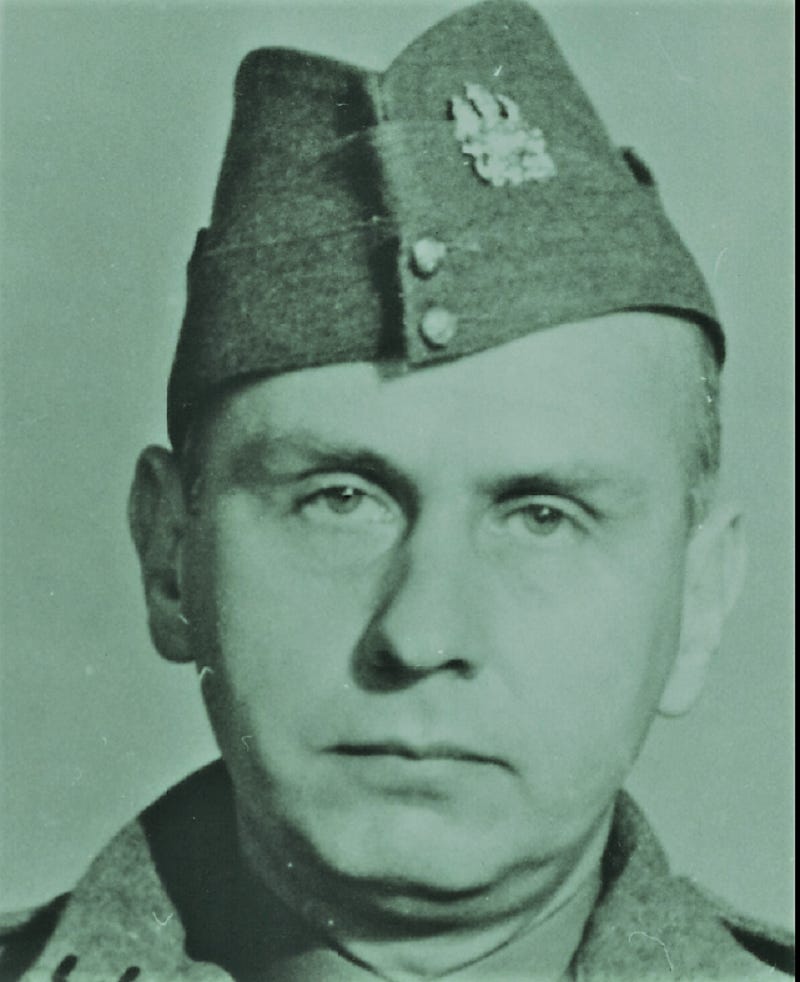
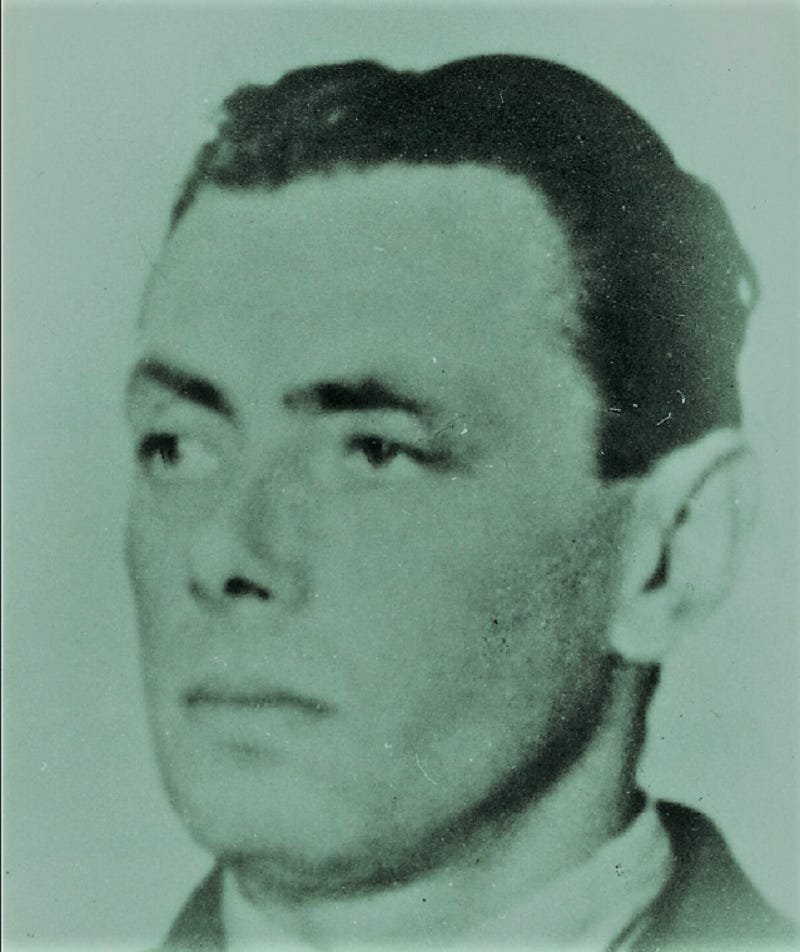
Klaas van der Bor, killed by the Englandspiel. SOE Agent
Born: May 24, 1913. SOE/Plan-Holland. Parachuting and arrest: February 16, 1943. Died: 6 September 1944, in Mauthausen